Jeff Barnhart: Happy New Year, kind and faithful readers! Everything old is new again here at the Ain’t’cha Got Music (AGM) studios and Hal and I are continuing our trip down memory lane, sharing reminisces about live traditional jazz performances that influenced us at a (much) earlier age! I’ll remind everyone that most of the tunes we discuss herein are available for listening via links in the online version of this publication.
Hal, I’ll start by recountingcthe annual Great CT Traditional Jazz Festival (heretofore, the GCTJF) that took place beginning in the late 1980’s. This event made it possible for me to take in bands that would otherwise never have been anywhere near my home state, so I heard bands hailing from California, the Midwest, Florida, New York, France, Holland, Argentina, and even New Orleans (haha!).
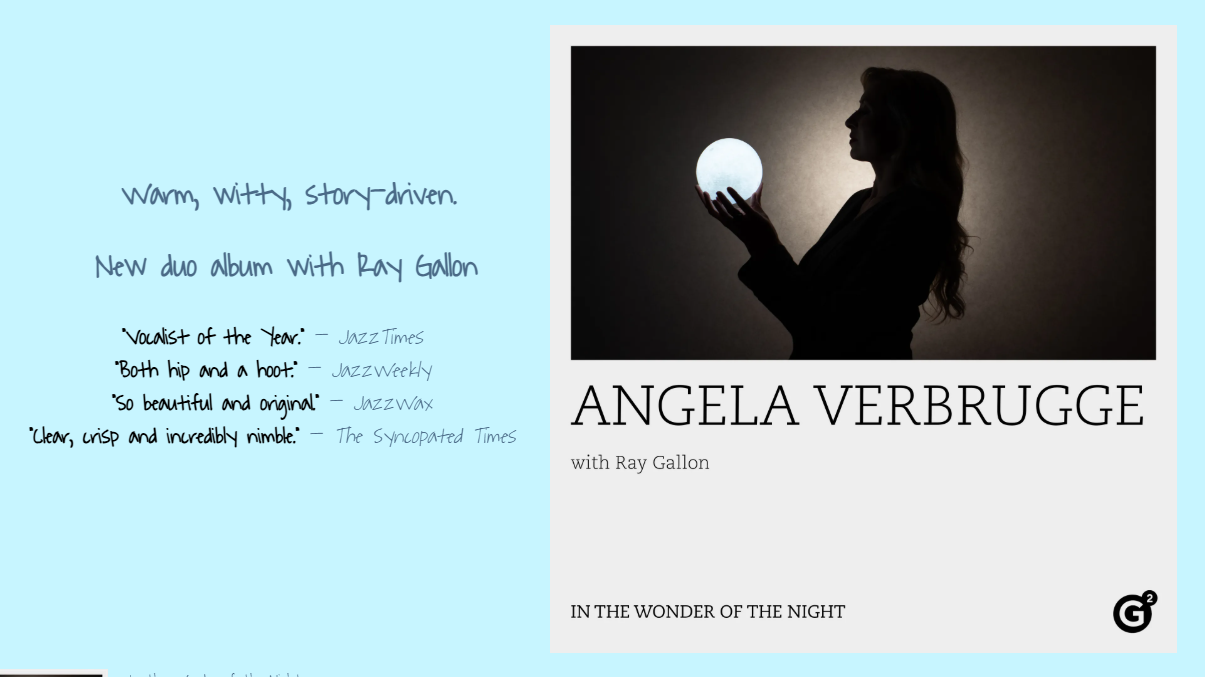
One band that really knocked me out, due to its sheer size, the nautical uniforms, the emcee/vocalist, and the music was the New Leviathan Oriental Foxtrot Orchestra. They were obviously trying to cover all their bases with their name! And they did cover all the bases when it came to musicality, class, and entertainment!
While I was unable to find the first tune I ever heard them perform live, “Let Me Be the First To Kiss You Good Morning (And The Last One To Kiss You Goodnight”), on YouTube, there are plenty of examples of their approach to hot jazz and pure fun. Varying between 17-18 pieces and emceed by banjoist/vocalist George Schmidt, the group brought back such classics as “Under the Arabian Moon” and “Panama” in the original habañera style (a version we missed when we covered that tune, Hal!). They even adapted “Angry” as an introduction to the band, Schmidt ebulliently sing/shouting the adapted lyrics.
While “Panama” sounds to me as if the NLOFO is channeling James Reese Europe’s Orchestra, “Angry” reminds me of how a group formed by a mutual friend of ours, John Gill, would sound. Someday we should take some time discussing the fantastic Stomp Off recordings made by John Gill’s Novelty Orchestra of New Orleans, a group you were in!
Hal, what can you share as we continue our exploration of sounds and influences from our past lives?
Hal Smith: I remember hearing the New Leviathans at the festival in Connecticut and have also caught their performances at the New Orleans Jazz & Heritage Festival. Those white nautical uniforms always look cool—especially during the oppressively humid weather that seems to happen during JazzFest. The band has played a repertoire that is largely ignored by other contemporary bands and their audiences have reacted to it with enthusiasm.
As far as my chronology, I will reach back to 1967 for one final memory: Salty Dogs cornetist Lew Green sat in with the South Frisco Jazz Band for one weekend at the Pizza Palace in Huntington Beach, California. The regular SFJB cornetist, Al Crowne, was back after his temporary replacement by Papa Ray Ronnei. Lew and Al nearly blew the roof off the Pizza Palace! There are recordings of that weekend, but unfortunately I loaned out my copies and have not seen or heard them for over 40 years. However, I remember a version of “King Chanticleer” that was about as good as it gets!
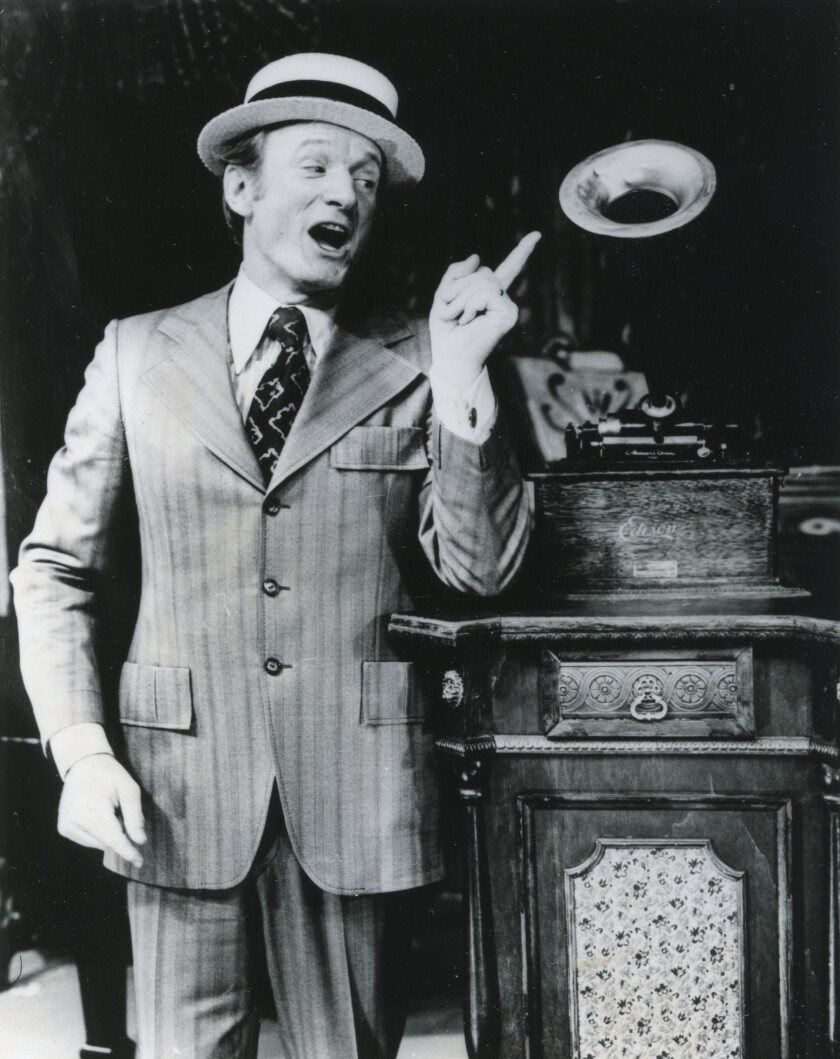
Moving forward a year, in early 1968 I attended a meeting of the “Maple Leaf Club” in Los Angeles. You may have heard of that organization, which hosted a monthly meeting where a variety of great ragtime pianists performed. On this particular occasion, the featured guests were Max Morath and Johnny Maddox! I was familiar with their music through records (and Max’s appearances on tv), but hearing them in person was an incredible experience. And as if that wasn’t enough, Jack Teagarden’s mother (Helen “Mama” Teagarden) opened the concert with terrific versions of “Possum and Taters” and “Tickled To Death.” It was one fantastic day of ragtime!
I want to mention a couple more great musical experiences from 1968, but what is next in your timeline?

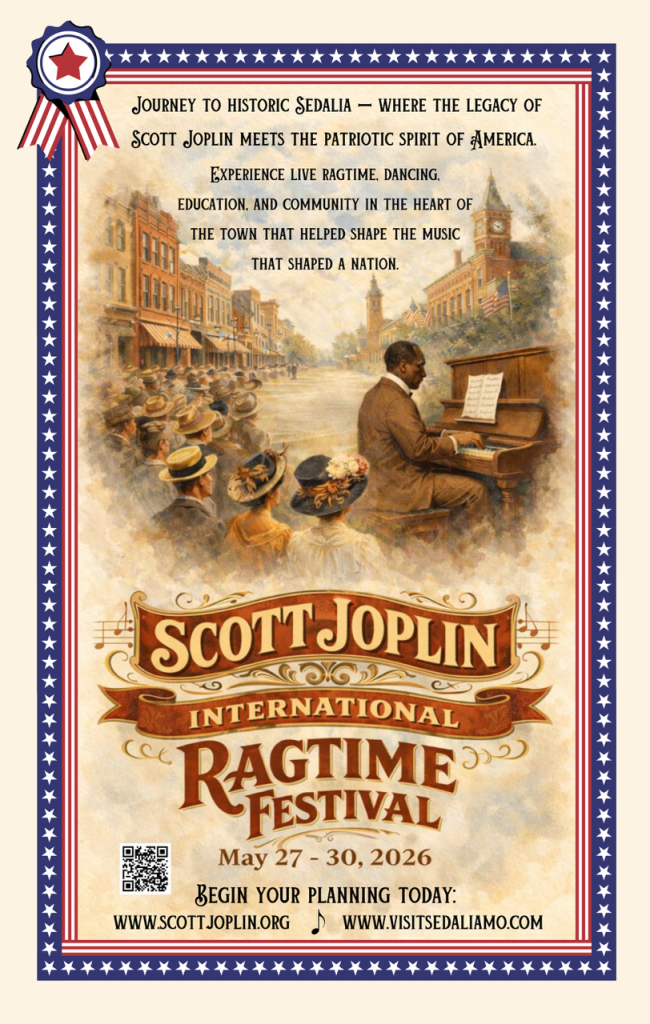
JB: I’ll get to my next group in a second, Hal, but first wanted to share how wonderful it was for me to listen to the sides you shared by Max and Johnny! While I got to meet Mr. Maddox a few times and hear him play live (back when the Old Time Piano Playing Contest was still in Peoria, Illinois), I had the honor of calling Mr. Morath a close friend for the last three decades of his life. We’d have long telephone conversations every month or so and annually meet up at the West Coast Ragtime Festival and/or the Scott Joplin International Ragtime Festival. I’m especially excited as I was unaware of either of the records from which your sides were taken. There’s still hidden gold out there!
Your mentioning Lew Green joining the gents of South Frisco for a weekend playing in CA reminds me of an amazing “band-mash” I saw and I’ll get to that after introducing the next group that knocked me out. The year was 1989 and the Fénix Jazz Band was appearing from Argentina at the GCTJF. Many things stood out about this group. First, the front line sat while playing, and the CT audiences found that striking. They weren’t reading music, they were simply sitting. However, that didn’t stop the fire from coming out of their horns!
This was the first tuba/banjo band I’d heard NOT trying to emulate the Watters/Murphy sound! Reedman Ernesto “Cachi” Carrizo on soprano sax was channeling Bechet while honoring Johnny Dodds on clarinet, cornetist José Angel “Dicky” Canci referenced early Louis, Jabbo Smith, and other 1920’s hot cornetists, Jorgé Mario Palmieri played some righteous tailgate trombone, and the rhythm section was tight, with the stand-out being pianist Manuel Fraga. THIS guy scared me!
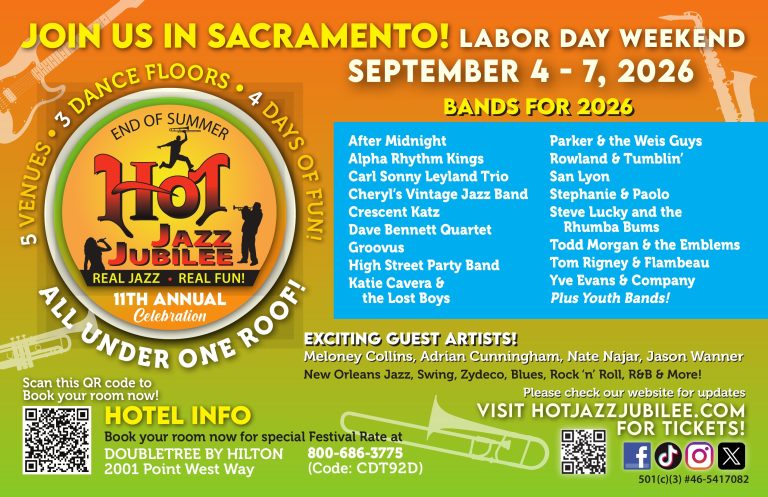
There are too many highlights to cover in this column, and sadly no videos from the band’s appearances in CT, so the best way to convey the joy I experienced hearing these fantastic musicians is with a few videos. The first tune I heard live from the band was “Decatur Street Tutti,” and that performance had me follow them throughout the rest of the weekend! A terrific video from the Sacramento Jazz Jubilee in 1988 captures the excitement! A broadcast from Argentina finds the Fénix Jazz Band in fine form on “Algiers Strut.”
Perhaps purists might run away from Manuel Fraga’s version of Jelly Roll Morton’s “Hyena Stomp,” but it’s a deeply personal rendition that showcases his advanced harmonic sense, SOLID left hand, and chameleon-like choruses where he references virtually every jazz style. If you’re looking for another Mortonesque version, don’t look here, but it’s true jazz that rises above pastiche performances and labels. It earned him a jumping ovation at the festival that year!
Back to the band, their rendering of “Melancholy Blues” pays homage to many classic recordings, while retaining a distinctive character (just listen to pianist Fraga’s backing throughout!). Finally, a pairing I wish I could’ve seen live at the GCTJF—as both bands appeared at the same event for several years in a row—was the Fénix Jazz Band joined by the South Frisco Jazz Band for a version of “Till We Meet Again.” Fortunately, it was captured on the 1986 VHS release “Blowout At Crazy Horse” so I can go back to it anytime I like, which will be RIGHT NOW!
Alright, Hal, take us back to 1968!
HS: I never heard the Fénix Jazz Band in person, but I certainly heard about them on the occasions when they performed in the U.S. It’s interesting to contrast their individual playing styles with the musicians in the South Frisco Jazz Band on that “Blowout” video.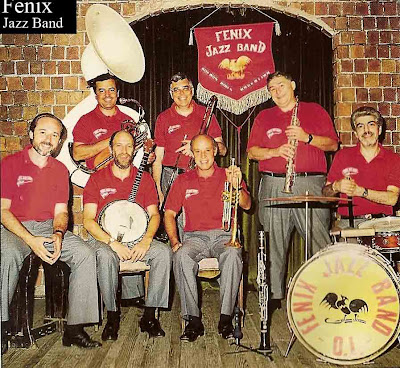
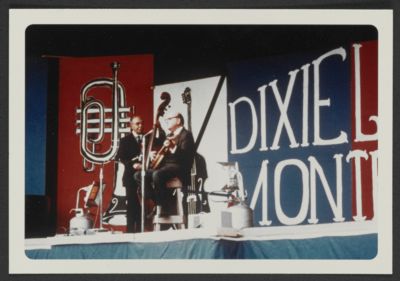
Moving backward in time, I was fortunate to be able to attend the predecessor of Jazz Bash By The Bay—“Dixieland Monterey,” which was held at the Monterey County Fairgrounds in May, 1968. My dad and I rode a bus from San Diego to Monterey and the first person we saw as we entered the Fairgrounds was Wally Rose! We had a pleasant conversation before Wally made his way to the stage. As soon as he was announced, he led off with Luckey Roberts’ “Pork And Beans.” He remembered how much I enjoyed his recording of it on the “Blues Over Bodega” session and played it for my family when we visited his apartment (as mentioned in the previous installment).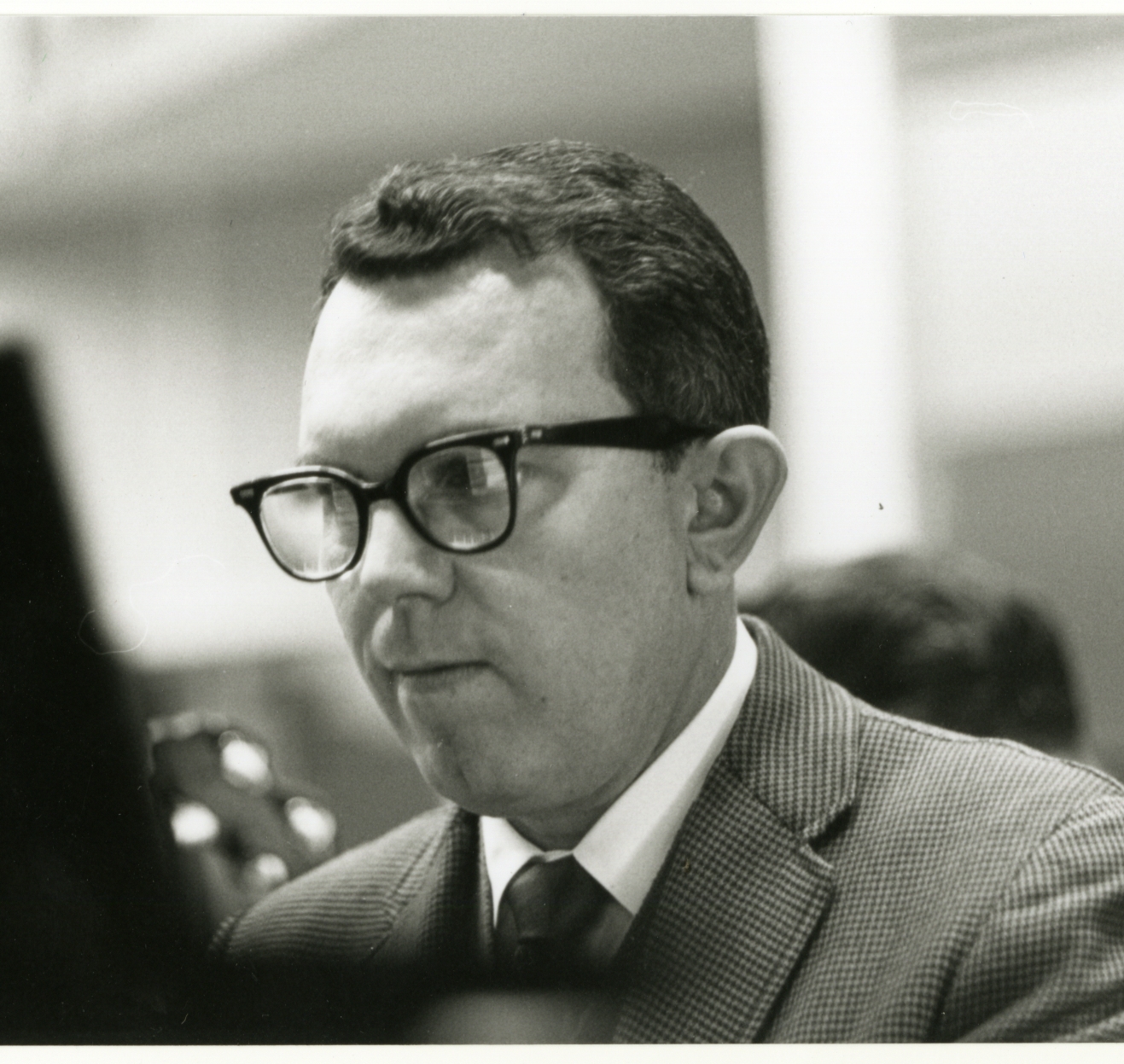
The set at Monterey was the first time I heard Wally perform in public. I don’t have a recording of his set, but I remember he played James P. Johnson’s “Harlem Strut” and the version he recorded for “Stomp Off” is a pretty accurate representation of how he performed it in 1968.
After Wally finished playing, the “Festival All-Stars,” led by clarinetist Phil Howe, took the stage. I couldn’t see all the musicians clearly due to some posts holding up the canopy over the stage, but I sure could hear the string bass! When Phil announced the musicians, I found out that I was hearing George “Pops” Foster! Sadly, I never got to hear Pops again after the festival, but he played two more sets with the All-Stars and he joined banjoist Clancy Hayes midway through the latter’s solo set. Luckily, our friend Chris Reid (author of the new “Swingin’ Minstrel” biography of Clancy) managed to find a tape of Clancy and Pops, which our online readers can enjoy.
There were other sets by some fine performers, but we were anticipating the performance by Turk Murphy’s San Francisco Jazz Band. Turk didn’t disappoint! The band’s set at Dixieland Monterey was one of the last times I heard that particular lineup: Turk, Ed Johnson (cornet), Jack Crook (reeds), Pete Clute (piano), Frank Haggerty (banjo), Bill Carroll (tuba), Smokey Stover (drums) and Pat Yankee on vocals. They played (and sang) an outstanding program, ending with a rousing version of “Maryland, My Maryland” featuring Johnson and Stover. I do have a recording of that one!
The organizers of “Dixieland Monterey” planned to make it an annual event, but the weekend in May of 1968 turned out to be a real money loser. Even the tremendous lineup of talent could not fill the seats at the Fairgrounds and the weather was uncooperative, to say the least. All the seating was uncovered. When a cold wind and rain suddenly blew in, many seats were emptied as the patrons fled in search of shelter. Most of them did not return. After this disastrous start, it took over a decade for “Dixieland Monterey” to re-launch.
I can still feel that blustery wind and bone-chilling rain! Did you have a more temperate experience after hearing the Fenix band?
JB: HAHAHAHA!! Hal, please don’t think me rude laughing; it’s terrible that the 1968 Dixieland Monterey was disappointingly rained out. It’s just that Niagaras of rain deluged the Connecticut Festival every year it took place. Granted, the venues were all under tents, and the largest sat 1500 people, but the wind that accompanied the rivers of precipitation sometimes knocked over chairs with people in them! Tent 4 became known as “Jazz Lake” because some years there was one in front of the stage, rendering that venue kaput. It became such an issue that the festival poster one year featured the sheet music cover to the 1917 song “Pray For Sunshine, (But Always Be Prepared For Rain),” and that became the festival motto for future years!
With all of the unfriendly weather, it’s certainly a wonder that the SoCal based South Frisco Jazz Band was willing to make the annual eastward sojourn to Connecticut for the jazz festival, but we New Englanders are SO lucky they did! I was mesmerized by every note coming from this octet, Hal. Being a pianist, I couldn’t fathom how rich and fluid a sound Robbie Rhodes attained no matter the tempo of the tune.
[Before I continue gushing about the other band members of South Frisco, I’ll share a quick story.Then Festival Director and Founder Dave Greenberg had a fundraiser one summer evening and hired three pianists to come mix it up.They were Robbie Rhodes, John Royen and…gulp…me!I remember John being so encouraging and intrigued by my enjoying taking 1920’s band sides and crafting piano solo versions of them. “My teacher, Don Ewell, used to do that quite a lot,” he enthused. I’d not heard of Don Ewell until then but of course I latersearched out every recording I could find.A highlight was duetting with John on “Sidewalk Blues!” Robbie suggested “Margie” to me as our duet and I happily agreed.As we took our respective benches, he called across the stage, “In the key of D!I get so bored with F.” While I (barely) held my own, I learned a valuable lesson that day: Be equally familiar with every key.]
Mike Baird’s stringent, hot way of bending notes and phrases stood up to the powerful brass of Jim Snyder (master of mutes) and the two-cornet team of Dan Comins and Leon Oakley. Rock solid strumming by banjoist/leader Vince Saunders meshed with Bob Rann’s sonorous tuba and Bob Raggio’s percussive, yet subtle, washboard playing. I’d never heard anything like it.
On the tunes where the band took more than one outchorus, Dan Comins would play a hot lead with Leon sailing over him, turning the usual relationship between lead and second cornet inside out! I still get shivers remembering how they’d play well-known tunes in their own way; paying homage to the great King Oliver and Lu Watters among others, while always sounding like themselves. Theirs was such an individual approach to the repertoire that it will never be matched, let alone adequately copied. Out of the three or four dozen sides I could choose to share, I’ll limit myself to two.
The first is “Some Of These Days,” remarkable for the draggy tempo of a first chorus that vaguely references the melody featuring Leon Oakley and Mike Baird duetting with only Vince Saunders backing them. Robbie Rhodes’ expert rendering of the verse (more uptempo but still slower than most bands play it today) leads to an ensemble chorus with such great interplay between the four front-line horns, then a worked out (and perfect) solo piano half-chorus, concluded by a (definitely NOT prearranged) hot alto sax solo. We’re treated to two ensemble outchoruses, with trombone taking the first bridge and alto on the second. On the final chorus, Leon plays the lead up an octave (à la Louis) and one of the best double endings in the history of hot jazz brings it home. The full tent of 1500 people gave them a much deserved springing ovation and I actually had tears running down my face.
The South Frisco Jazz Band’s version of “Cakewalkin’ Babies” is simply fantastic and the only one I’ve heard that features the final 16 bars of the tune three times after the climactic outchorus!
Hal, what would you like to share next?
HS: I was a regular at the South Frisco’s weekend appearances at the Pizza Palace in Huntington Beach during the late 1960s. In 1969, Papa Ray Ronnei was the cornetist and Roy Brewer was on trombone. Mike Baird, Vince Saunders and Bob Rann were present from the original lineup, though Bob Raggio had taken a leave of absence to play with Ernie Carson and Carl Lunsford at Maury Wills’ “Stolen Base” nightclub in Pittsburgh. Ron Ortmann, Robbie Rhodes, Bill Mitchell and Dick Shooshan continued to alternate on piano, depending upon their availability.
During this period, the band played four songs that would become favorites of mine: “Messin’ Around” (by Doc Cook and Johnny St. Cyr), “Here Comes The Hot Tamale Man” and two great originals by Mike Baird: “Bolsa Chica Strut” and “South Frisco Blues.” I used to have a tape of these numbers, recorded live, but am not able to locate it at the present time. However, I can share YouTube links of the band playing “Hot Tamale” and “South Frisco Blues” which were recorded for the VAULT label, just prior to Bob Raggio’s departure.
Another memory of 1969: Turk Murphy had reorganized his San Francisco Jazz Band, with only himself, Pete Clute and Smokey Stover remaining from the previous ensemble. The newcomers included reedman Phil Howe, tubist Jim Maihack and a genuine firebrand on cornet: Leon Oakley! Their sound was so incredibly sharp, polished and hot that it almost left me speechless when I heard them playing a private party at the Hotel Del Coronado. They were just as impressive a few months later at a concert at the Wilshire-Ebell Theater in Los Angeles, but on that occasion, much of my attention was focused on Smokey Stover’s drumming. Listen to what he plays beginning with the ensemble repeat of the first strain of “Coal Cart Blues!”
When Smokey laid into that choke cymbal on the last chorus, it lifted me out of my seat! I had never heard it played live behind a full ensemble, so that was a real eye-and-ear opener. And … he continued to use it very effectively throughout the concert. Smokey’s performance that evening—especially his use of the choke cymbal—was a tremendous inspiration for me.
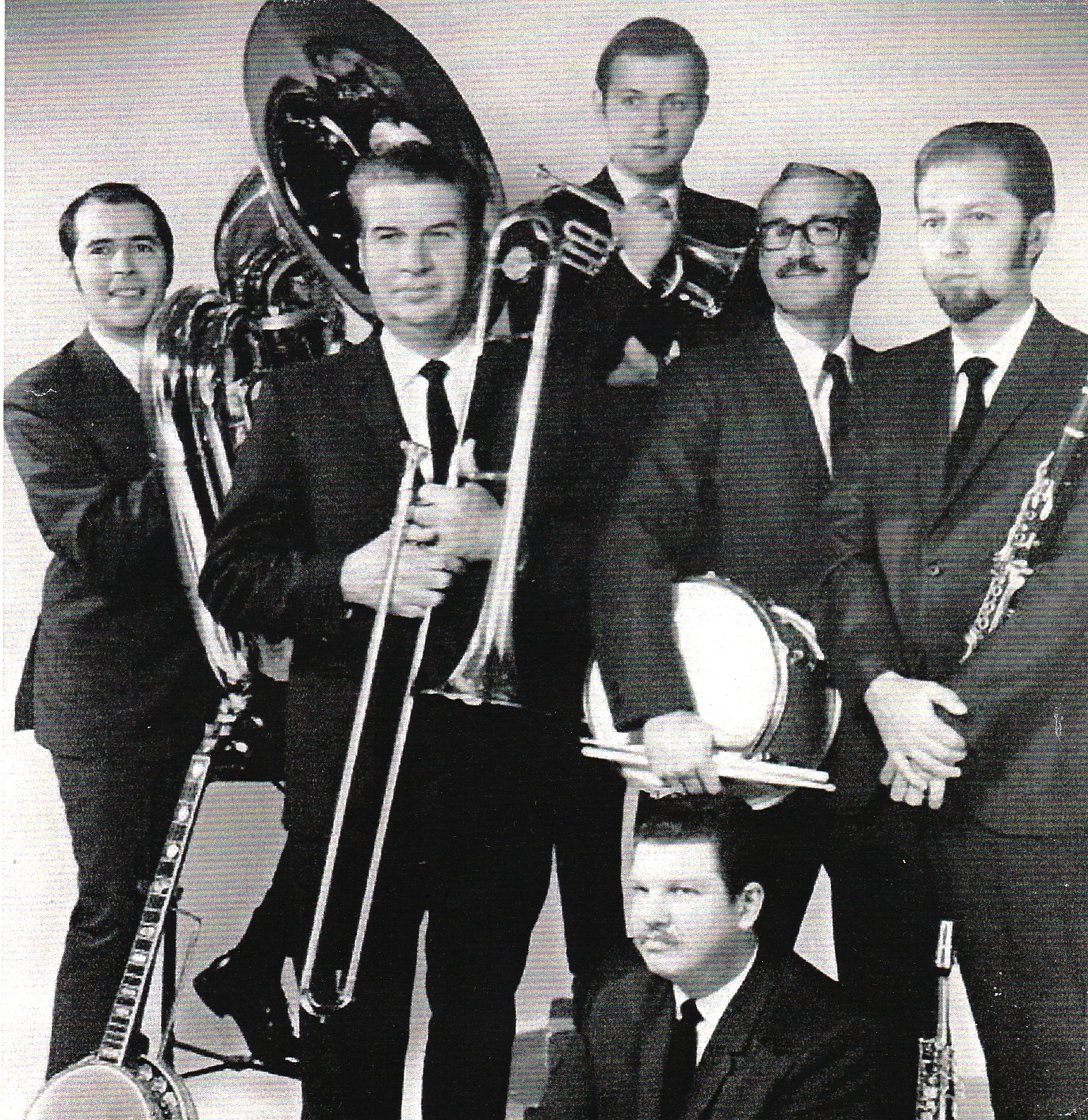
JB: Man, I loved listening to those sides, Hal! “Hot Tamale Man” had me dancing around the room. Was that Shoosh on piano? Whoever it was, I love the way he referenced the upcoming reprise of the verse at the end of his barrelhouse solo! I’ve always loved hearing Mike Baird’s compositions and this version of “South Frisco Blues” is so different from the South Frisco (SFJB) one that I was floored! Papa Ray Ronnei’s cornet phrasing, especially on the verse and the ensemble choruses, make this sound almost like a folk song. I am a lifelong fan of SFJB, but this the most soulful version I’ve ever heard of this tune. I wish more bands would play it.
“Coal Cart” has always been a favorite of mine and in addition to Stover’s exemplary drumming I have to mention what a joy it was to hear Jim Maihack’s buoyant tuba playing as well as the interplay between Turk and Leon. That full house knew they were experiencing something special!
HS: Well, Jeff, my narrative is only about 20 years behind yours. What was your next inspiration in the 1980s?
JB: That makes sense, my friend, since you were about 14 years ahead of me as well! LOL! There’s so much more to share on this topic that I suggest we make our stories 20 years apart and one month later and take this up for a final installment next month.
HS: That’s an excellent idea. I’ll see you next month! By the way, that was Ron Ortmann playing piano on the two sides from the South Frisco “Hot Tamale Man” LP.
JB: Man, what a player! Can’t wait to continue this!!
Jeff Barnhart is an internationally renowned pianist, vocalist, arranger, bandleader, recording artist, ASCAP composer, educator and entertainer. Visit him online atwww.jeffbarnhart.com. Email: Mysticrag@aol.com
Hal Smith is an Arkansas-based drummer and writer. He leads the El Dorado Jazz Band and the
Mortonia Seven and works with a variety of jazz and swing bands. Visit him online at
halsmithmusic.com