Kansas City was one of the centers of jazz during the 1920s and ‘30s. One of the main benefits of having a corrupt political boss (Tom Pendergast) running the city during 1926-39 was that Prohibition was completely ignored and entertainment was needed around the clock to keep the nightclubs and speakeasies jumping, whether it was organized bands, elaborate floor shows, or all-night jam sessions.
The most famous Kansas City-based band of the era was Bennie Moten’s while Count Basie was his successor after Moten’s passing in 1935. While many of the top Kansas City ensembles of the time either were not recorded or just barely made it to records (George E. Lee’s group had two sessions while Walter Page’s Blue Devils just waxed two songs), Moten was able to have a fairly regular recording schedule until the Depression hit, with his final session in 1932 setting the stage for both the Count Basie sound and the upcoming Swing era.
Andy Kirk and Jay McShann led two of the most noteworthy Kansas City big bands, finding some fame during the Swing era after they moved East. While those bandleaders had relatively little in common, both of their orchestras are chiefly remembered today for the contributions of a notable side person. Kirk owed much of his success to pianist-arranger Mary Lou Willliams while McShann’s orchestra served an important early start for altoist Charlie Parker.
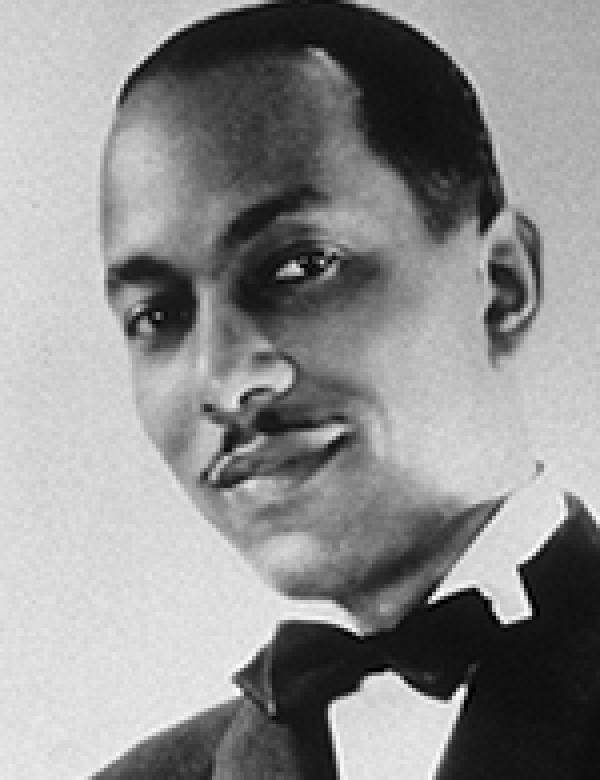
Andy Kirk was born on May 28, 1898, in Newport, Kentucky. He grew up in Denver where his music teacher was Wilberforce Whiteman, Paul Whiteman’s father. Kirk played a bit of piano and alto-sax before switching to bass sax, baritone and tuba. In 1920 he made his recording debut with violinist George Morrison’s nine-piece group, an ensemble that included future bandleader Jimmie Lunceford on alto, playing “I Know Why.” Neither Lunceford nor Kirk took solos on that obscure recording and it would be nine years before the latter was on records again.
In the mid-1920s, Kirk became a member of Terrence Holder’s Dark Clouds of Joy which was based in Dallas. In Jan. 1929, a dispute over money resulted in the musicians rebelling and Andy Kirk getting elected as the leader of the renamed Twelve Clouds Of Joy which soon relocated to Kansas City.

On Nov. 7, 1929, Kirk’s orchestra recorded their first session. Mary Lou Williams, the wife of Kirk’s altoist and baritonist John Williams, contributed the arrangements and so impressed the Brunswick label’s Dave Kapp with her piano playing that Kapp insisted that she be utilized as the pianist on the date and all of the following ones even though she was not a member of the band. While Kirk protested at first, he gave in and within a year she officially joined the orchestra.
The Twelve Clouds Of Joy recorded 22 songs (including two numbers on a date led by John Williams) during ten sessions from 1929-31 including “Mess-A-Stomp,” “Cloudy,” “Froggy Bottom,” and “Mary’s Idea,” Kirk’s star soloists of the era were John Williams, trumpeter Edgar “Puddinghead” Battle, violinist Claude Williams, and especially Mary Lou Williams. At its best, the band was as hot as Bennie Moten’s. Their final recording of the period, from Mar. 2, 1931, had the full band fronted by Blanche Calloway (Cab’s older sister) who made an attempt to steal the orchestra from Kirk. She only succeeded at luring away two of the trumpeters.
With the deepening of the Depression, it would be exactly five years before Andy Kirk’s orchestra returned to the recording studios. There were major changes in the interim. Kirk, who did not sing, write or arrange music, was not that skilled a musician. While he played bass sax or tuba on his orchestra’s recordings of 1929-31, after that period, he employed a string bassist and just operated as the band’s frontman. While the orchestra worked steadily in Kansas City, it was not until 1936 and their move to New York that Andy Kirk hit it big.
Signing with the Decca label, the Twelve Clouds of Joy recorded regularly during the next six years. In addition to Mary Lou Williams (who wrote the great majority of the instrumental arrangements), the key soloist was tenor-saxophonist Dick Willson. Among the gems that the band recorded were such classics as “Walkin’ and Swingin’,” “The Lady Who Swings The Band,” “All The Jive Is Gone,” “Corky,” “A Mellow Bit Of Rhythm,” “Little Joe From Chicago,” “The Count,” and remakes of “Froggy Bottom,” “Mary’s Idea,” and “Mess-A-Stomp.” In 1939 the great tenor-saxophonist Don Byas replaced John Williams and the pioneering electric guitarist Floyd Smith joined the band in time to be featured on “Floyd’s Guitar Blues.” However, Pha Terrell, who emphasized his falsetto in his vocals, was the band’s main attraction. His 1936 recording of “Until The Real Thing Comes Along” with Kirk was a big hit and was followed by many similar vocal features. Of the dozen numbers recorded by the orchestra in 1939, only three were instrumentals, two featured the easier-to-take singing of June Richmond, and seven showcased Terrell. Mary Lou Williams in particular was not happy with the situation.
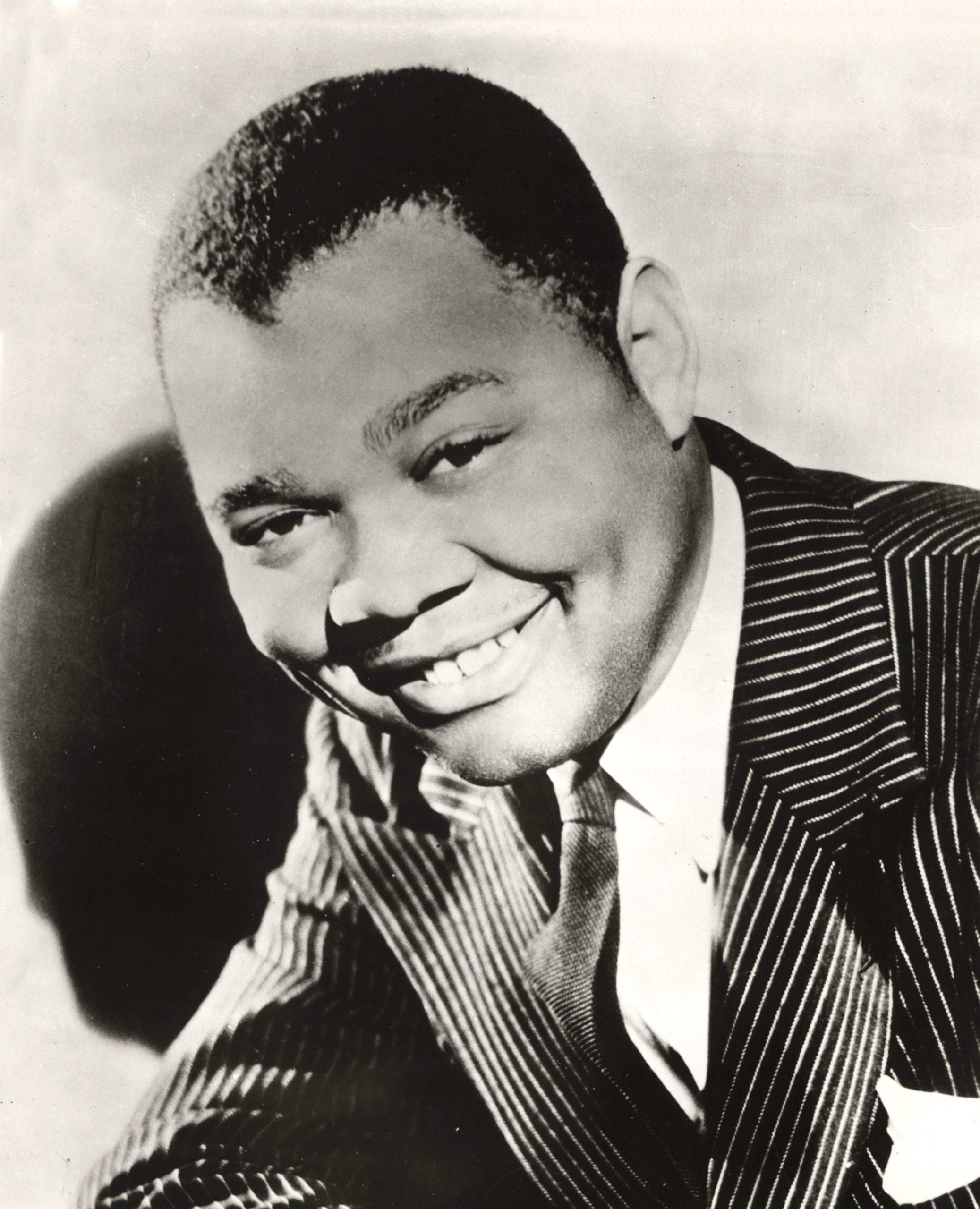
1939 is when Jay McShann was starting to make an impact on the Kansas City jazz scene. He was born on Jan. 12, 1916 in Muskogee, Oklahoma and was self-taught as a pianist, learning by ear and watching his sister during her piano lessons. He considered his early influence to be Earl Hines who he heard as a teenager on radio broadcasts. McShann began working as a professional when he was 15 in 1931, freelancing with various bands in Oklahoma and Arkansas. He attended Winfield College in Kansas, moved to Kansas City in 1936, and was part of the fabled jam session scene. The following year he formed the Jay McShann Orchestra, one of the last significant Kansas City big bands of the era.

McShann’s orchestra band lasted eight years and by 1937 their personnel included a promising young 17-year old alto-saxophonist named Charlie Parker. The earliest recorded documentation of the band is from two surviving radio broadcasts and a live date, nine selections in all from 1940. While there were several fine soloists in the band (including McShann) and the rhythm section with bassist Gene Ramey and drummer Gus Johnson was excellent, it is the short solos of Charlie Parker (at the time most inspired by Lester Young) that stand out, particularly on “Honeysuckle Rose.”
Jay McShann’s first official recordings did not take place until Apr. 30, 1941 when he moved to New York and began to record for the Decca label. Unfortunately, the executives at Decca primarily thought of the McShann group as being a blues rather than a swing band, and many of the band’s swing-oriented charts were never recorded. The band’s fine singer Walter Brown helped them have a minor hit with “Confessin’ The Blues,” and some of their best recordings were “Swingmatism,” “Hootie Blues,” “The Jumpin’ Blues” and “Sepian Bounce.” A radio broadcast from Feb. 13, 1942 that was not released until many decades later finds the band stretching out much more than on their Decca records. Charlie Parker, who had brief solos on a few of the orchestra’s studio recordings, during an extended spot on “I’m Forever Blowing Bubbles” shows why he was becoming a major influence on other soloists and starting to revolutionize jazz.
The musicians’ recording strike of 1942-44 cut short the potential success of the Jay McShann Orchestra. They had a final recording session on Dec. 1, 1943; Decca was one of the first record companies to settle with the Musicians Union. By then most of his orchestra’s personnel had changed. Parker was gone although the lineup included such future stars as trumpeter Willie Cook and tenor-saxophonist Paul Quinichette with Walter Brown taking a worthy vocal on “Home Town Blues.” But when McShann was drafted into the Army in early 1944, that was the end of his big band.

Meanwhile Andy Kirk’s orchestra was still hanging on. The band in 1940 had a happy new addition in trumpeter Harold “Shorty” Baker while Pha Terrell left to have a solo career that eventually went nowhere. But Dick Wilson passed away in 1941 when he was just 30 from tuberculosis and Mary Lou Williams and Shorty Baker (who became her second husband) departed soon afterwards. Still, Kirk had an impressive lineup of musicians in 1942 including trumpeter Howard McGhee (showcased on “McGhee Special”), tenor-saxophonist Al Sears, and pianist Ken Kersey. The young trumpeter Fats Navarro (who would become #2 next to Dizzy Gillespie among bebop trumpeters until his early death in 1950) played next to McGhee (a strong influence) in 1943 and other notable musicians who spent time in the Kirk Orchestra included tenor-saxophonists Jimmy Forrest and Eddie “Lockjaw” Davis, pianist Hank Jones, singer Joe Williams (who recorded two songs with Kirk in 1946, eight years before he became famous with Count Basie) and even, for a brief unrecorded time, Charlie Parker.
There were no hits for Andy Kirk’s band in its later years and it gradually faded away with few noticing that it broke up in 1948. There was a four-song recording session in 1949 with unknown personnel but otherwise Kirk only returned to music on one other occasion. In March 1956, the 57-year old former bandleader headed a 17-piece orchestra for an album titled A Mellow Bit Of Rhythm. With the exception of Ken Kersey who played piano on half of the record, this “reunion” date did not include any of Kirk’s former sidemen. It did feature new versions (arranged by Manny Albam and Ernie Wilkins) of a dozen songs from his heyday along with fine solos from the sidemen, most of whom were not yet playing music when Kirk made his first recordings as a leader in 1929.
Andy Kirk spent his later years working in real estate, hotel management, and as an officer in the Musicians Union. He lived to be 94, passing away on Dec. 11, 1992, 44 years after breaking up his orchestra.

In contrast, Jay McShann had a very active career in the decades after the swing era ended. He was in the Army for a surprisingly brief period of time, being discharged later in 1944. After a bit of freelancing including recording a septet date in Kansas City, he moved to Los Angeles in 1945. McShann led a combo with three horns that featured Jimmy Witherspoon on vocals, playing blues, swing, boogie-woogie, and early rhythm & blues; the group was sometimes billed as “The Band That Jumps The Blues.” Witherspoon had a huge best-seller in 1949 with “Ain’t Nobody’s Business” and McShann recorded quite often during 1945-51.
While he had an r&b hit in 1955 with “Hands Off” (featuring Priscilla Bowman on the vocal), McShann was in relative obscurity in the 1950s and much of the ‘60s. Other than appearing on a few Witherspoon sessions, he did not record at all during 1957-65.
That all changed starting in 1966. Jay McShann began to perform and record as a singer (starting with a Capitol album called McShann’s Piano) in addition to being a pianist. He reasoned that he could sing blues at least as well as Walter Brown used to and, from then on, he enjoyed a major comeback. McShann performed, toured, and recorded regularly for the next 35 years as a representative and living legend of Kansas City jazz. He held his own with altoist-singer Eddie “Cleanhead” Vinson, blues guitarist T-Bone Walker, tenor-saxophonist Buddy Tate, and Andy Kirk’s violinist of 1929 Claude Williams (who worked often with McShann in the 1970s) at concerts and on recordings. Sometimes McShann recorded unaccompanied solo dates, and at other times he accompanied Helen Humes or Clarence “Gatemouth” Brown, recorded piano duets with Ralph Sutton, or headed all-star swing combos, ending with 2001’s Hootie Blues.
Jay McShann passed away on December 7, 2006, in Kansas City at the age of 90. He left behind scores of recordings that, along with his big band performances and those of Andy Kirk, still sound quite timeless and representative of prime Kansas City jazz.

Since 1975 Scott Yanow has been a regular reviewer of albums in many jazz styles. He has written for many jazz and arts magazines, including JazzTimes, Jazziz, Down Beat, Cadence, CODA, and the Los Angeles Jazz Scene, and was the jazz editor for Record Review. He has written an in-depth biography on Dizzy Gillespie for AllMusic.com. He has authored 11 books on jazz, over 900 liner notes for CDs and over 20,000 reviews of jazz recordings. Yanow was a contributor to and co-editor of the third edition of the All Music Guide to Jazz. He continues to write for Downbeat, Jazziz, the Los Angeles Jazz Scene, the Jazz Rag, the New York City Jazz Record and other publications.