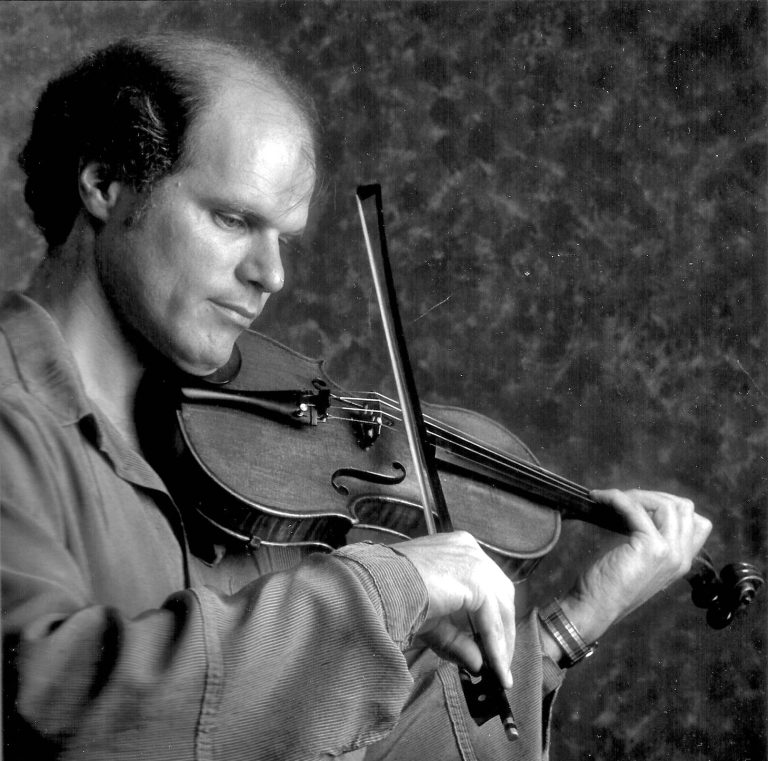

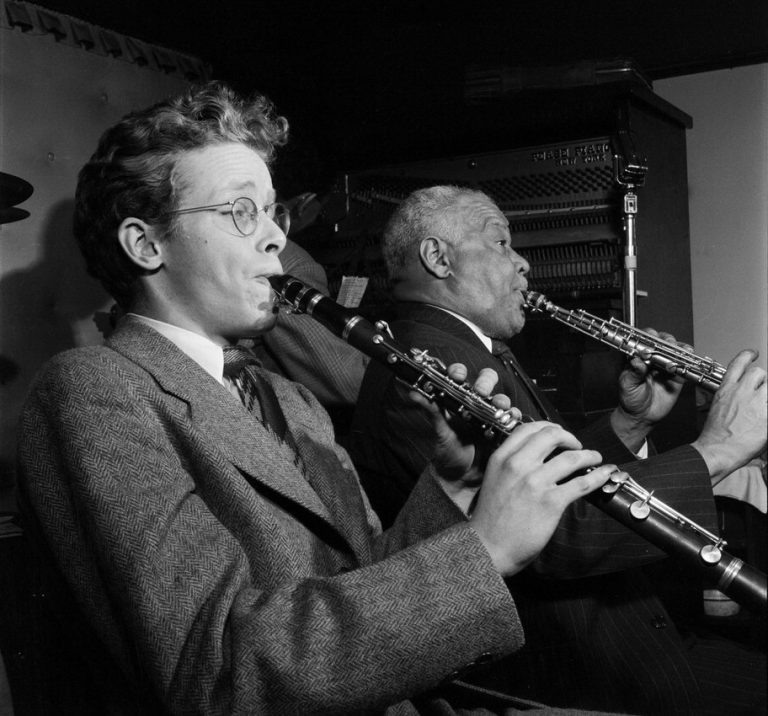
It is very likely that first Commodore 78 this writer ever owned was by Bob Wilber, “Willie The Weeper” and “Mabel’s Dream” on Commodore 583. This recording of February 22, 1947, by the Wildcats from Scarsdale (with Johnny Glasel, trumpet, Dick Wellstood, piano, Charlie Traeger, bass, Dennis Strong, drums) led
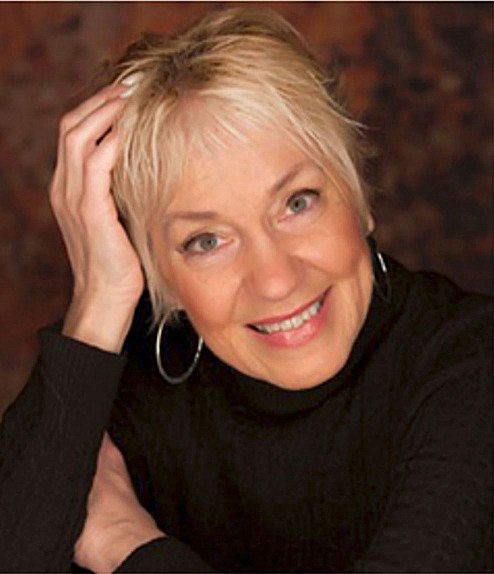
Early in the morning of January 8th, I opened my phone and found a text message from Rebecca Kilgore’s loving husband, Dick Titterington. I suspected what his news might be. Rebecca had passed away the previous evening at 9:00 pm (PST). For the past few years, she had been afflicted
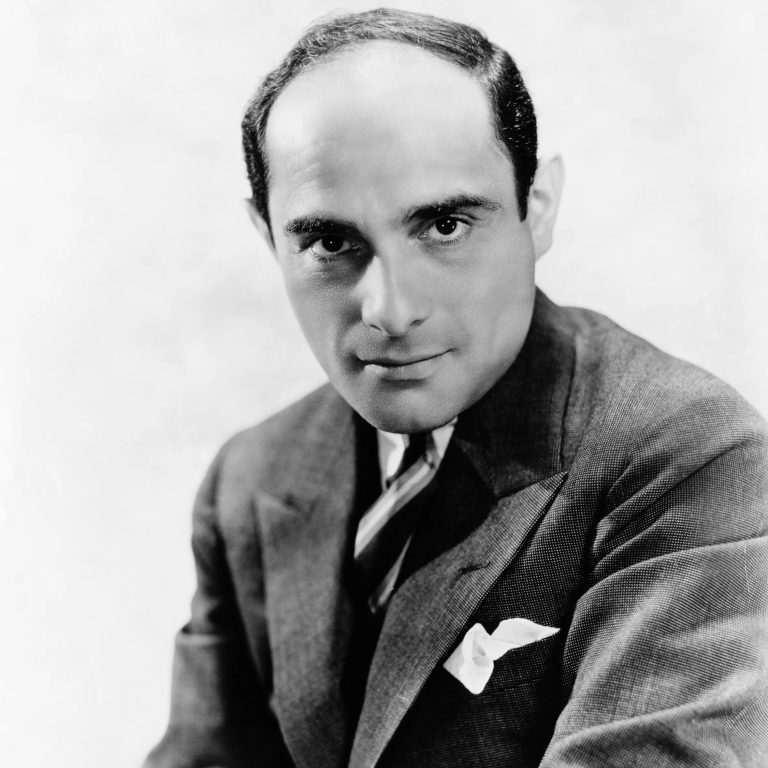
I watched Richard Linklater’s Blue Moon for a second time recently and was moved even more than I was the first time. Ethan Hawke’s performance as Lorenz Hart deserved the Oscar, but then I thought the movie itself deserved to be chosen as Best Picture of the Year. It got
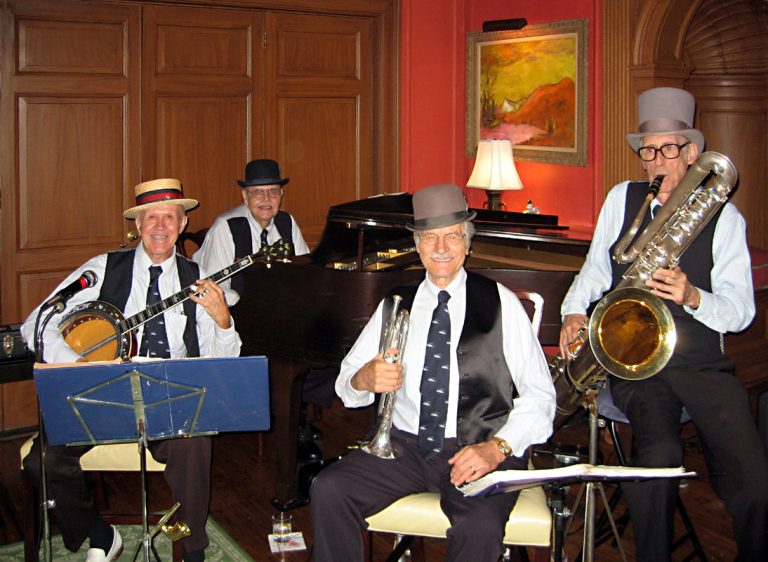
Jeff Barnhart: Hal, our advertised plan following our month off was to continue our exploration of the music and vocals of the great troubadour Clancy Hayes. However, as seems to be happening more often these days, we just lost a giant of traditional jazz, as well as one of the nicest
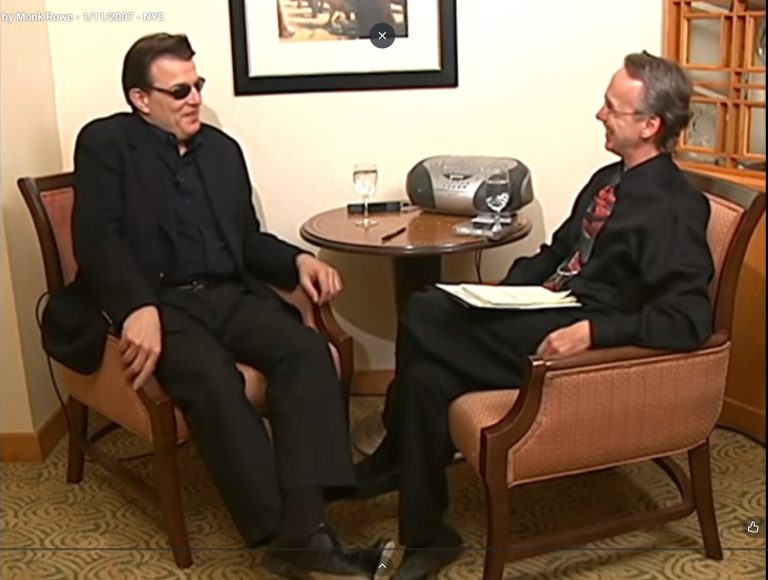
Vince Giordano was born on March 11, 1952, in Brooklyn. He directs the Nighthawks, where he switches between string bass, tuba and bass saxophone, and offers the occasional vocal. He has become the premier performer of 1920s and ’30s jazz and has contributed music for films by Woody Allen and
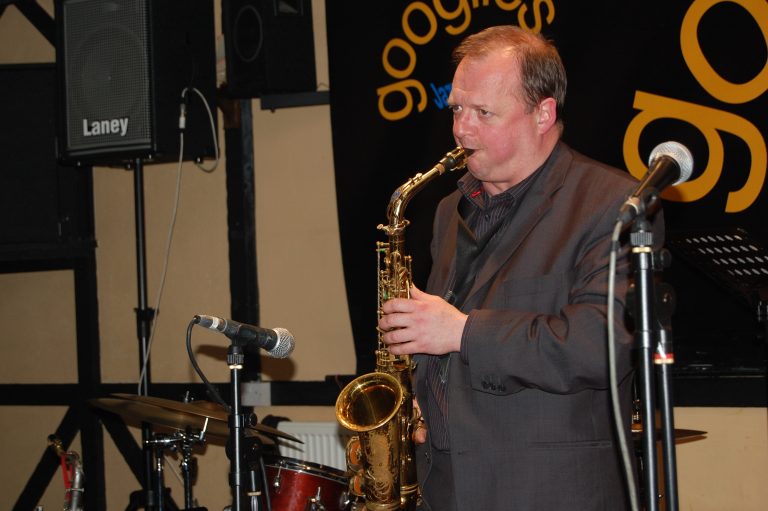
Clarinetist Alan Barnes is a prolific international performer, composer, arranger, bandleader and touring soloist. He has received over 25 British Jazz Awards and has twice been made BBC Jazz Musician of the Year. The list of his session and side-man work includes Bjork, Bryan Ferry, Jools Holland, and Jamie Cullum.
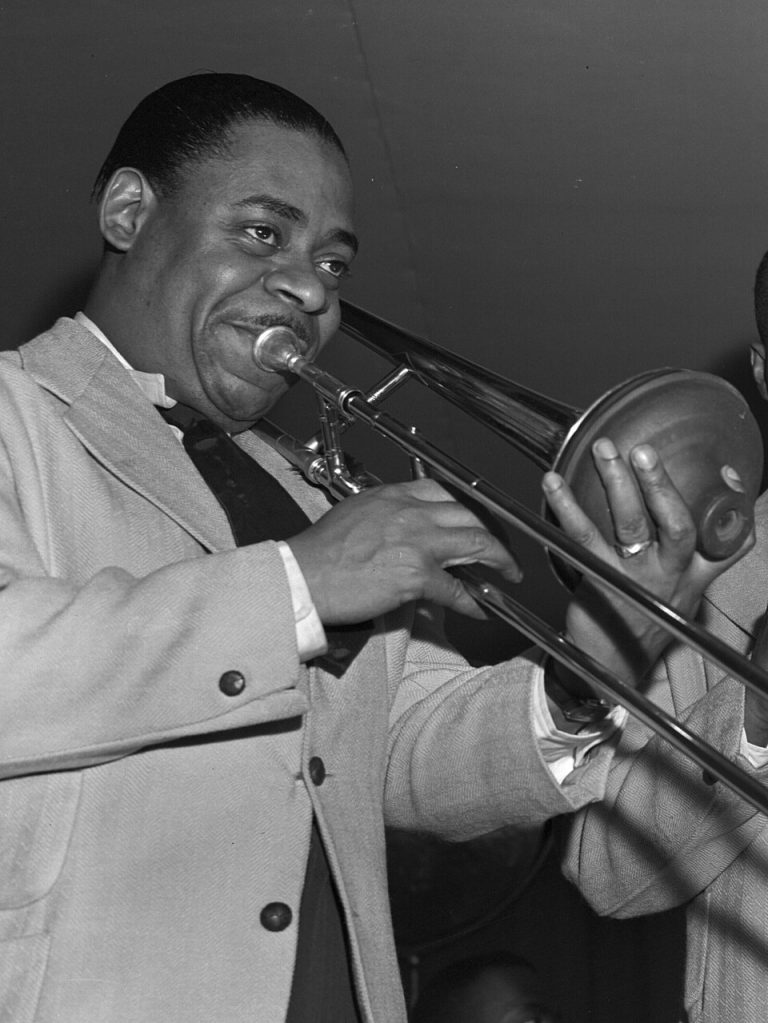
The sound of muted trumpets and trombones has been woven into the fabric of jazz almost from the beginning. They are a tool that can be used to expand the expressive possibilities of the music-not to mention allowing you to practice at home without your neighbors calling the cops. Mutes
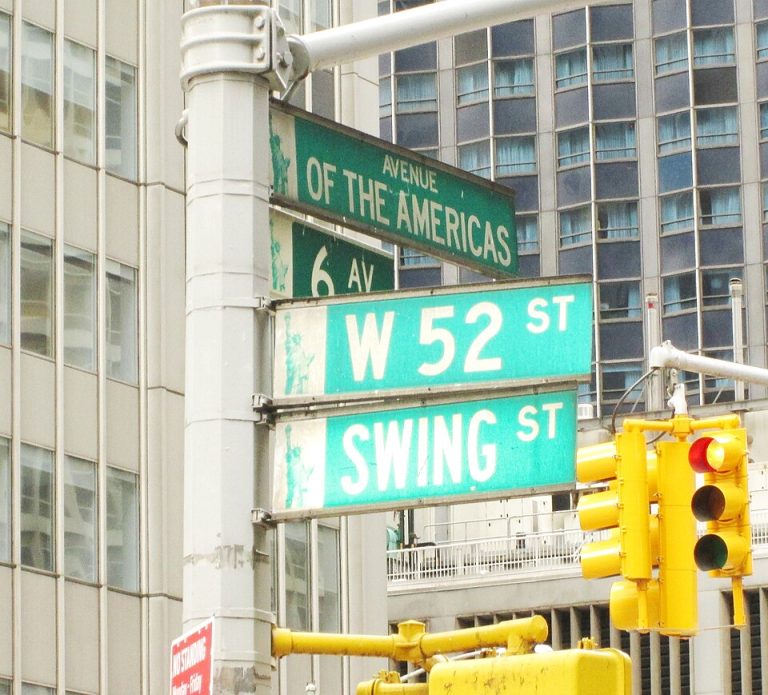
They called it “Swing Street.” It’s only an echo of a memory today for those old enough to have immersed themselves in the sights and sounds, but there was an era in New York between 1930 and the late ‘50s, when 52nd Street was the home of over a dozen
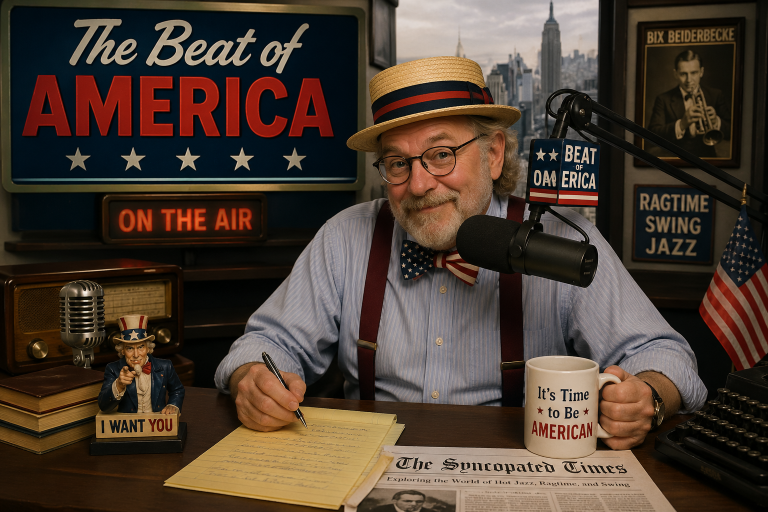
I reckon being jazz fans and all you won’t have heard of me unless you have twisted the dial down to 650 on a clear Saturday night and even then maybe not. Or maybe you were the sort of listener who would have had that Minneapolis FM show on with
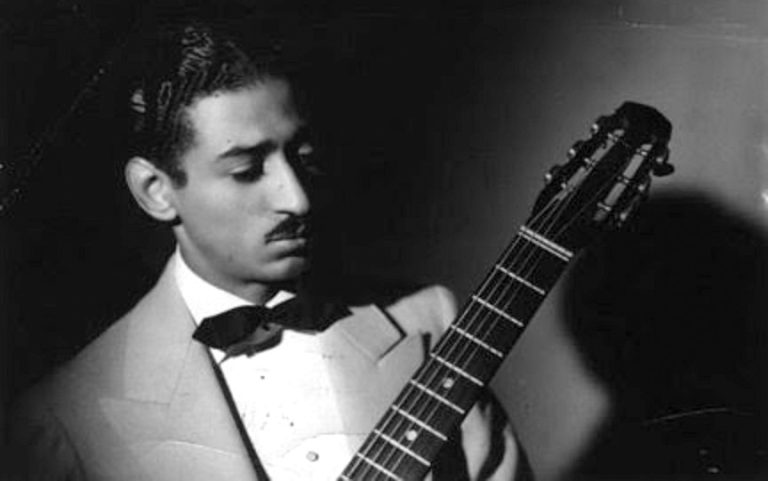
It has been said, way too often, that “jazz is America’s only indigenous art form.” That cliched statement is inaccurate in two ways. Jazz is not the United States’ only art form unless one does not count ragtime, the blues, tap dancing, and films to name just four other art
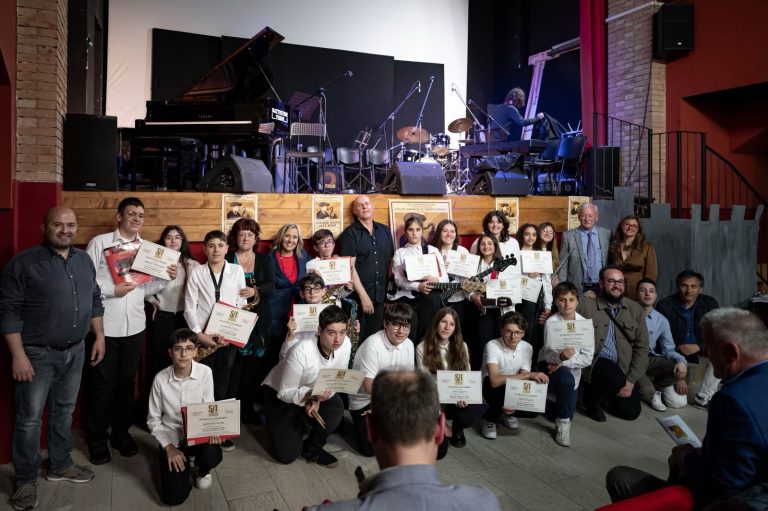
The Learning Curve, one of our local Adult Education programs focusing on Arts, Humanities, Music, Literature & History, held its spring music class with Conductor and Musician Khris Dodge. This is the fifth class we have taken with him and always enjoy the experience. The spring class was about the
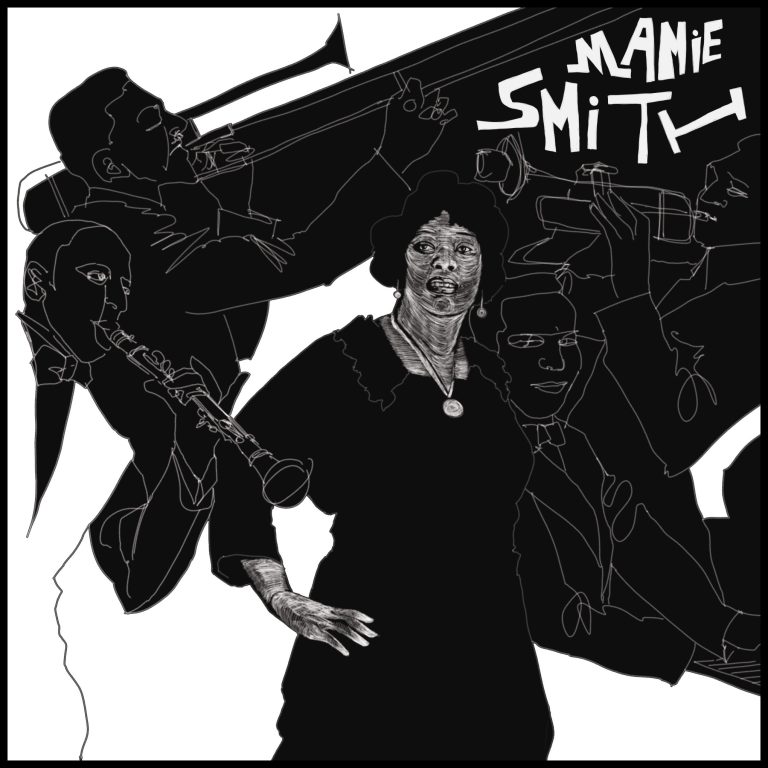
Mamie Smith was born Mamie Robinson on May 26, 1891, in Cincinnati, Ohio. It was long believed that she entered this world in 1883 but her birth certificate (not discovered until 2018) states otherwise. She began in show business early as a singer and dancer. When she was just ten,
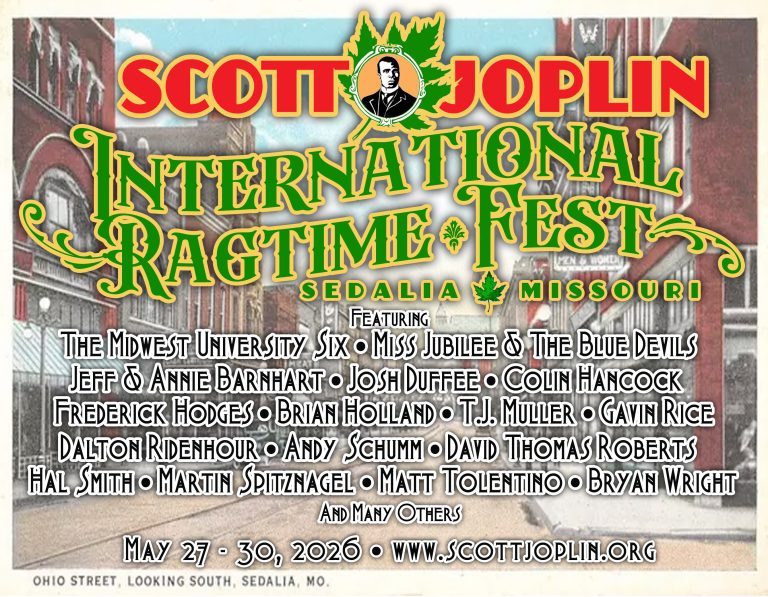
DJANGO A GOGO® 2026 MUSIC FESTIVAL AND GUITAR CAMP (Maplewood NJ) May 12-17 Since 2003, guitarist/composer/teacher Stephane Wrembel has produced the Django a Gogo Music Festival and Guitar Camp celebrating the life and music of legendary guitarist/composer, Django Reinhardt. The annual week-long event is held in Wrembel’s hometown of Maplewood,
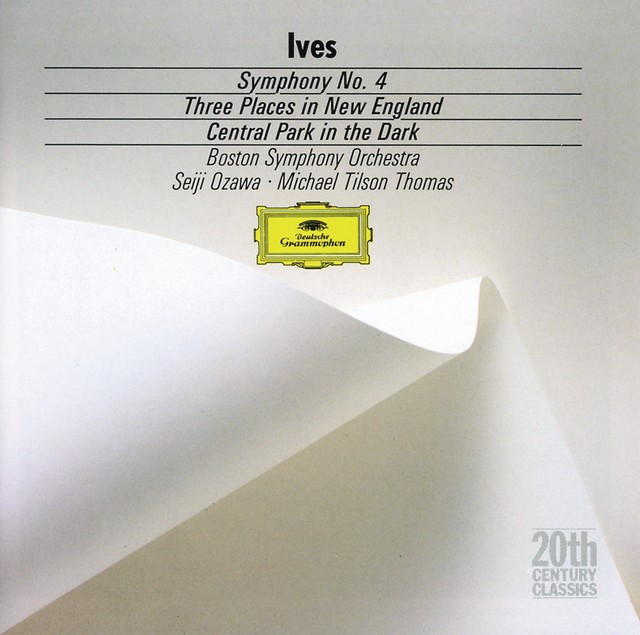
Charles Ives’ kaleidoscopic synthesis of American music in his own work is one of the most fascinating musical perspectives of anyone ever. This synthesis is well-illustrated in his 1906 orchestral piece Central Park in the Dark. A quiet bed of dissonant, glacially-undulating strings (signifying an eerie nocturnal calm) flows beneath
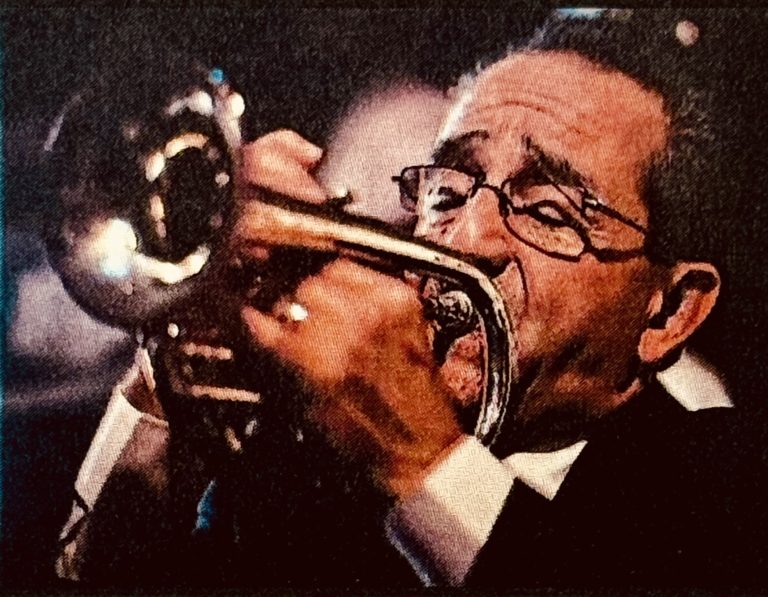
Last month I shared a brief story about the early development of two key members of the Galvanized Jazz Band who passed away earlier this year: Bill Sinclair and Fred Vigorito. Both left a huge impression on me when I first met them, and I treasured our interactions as the
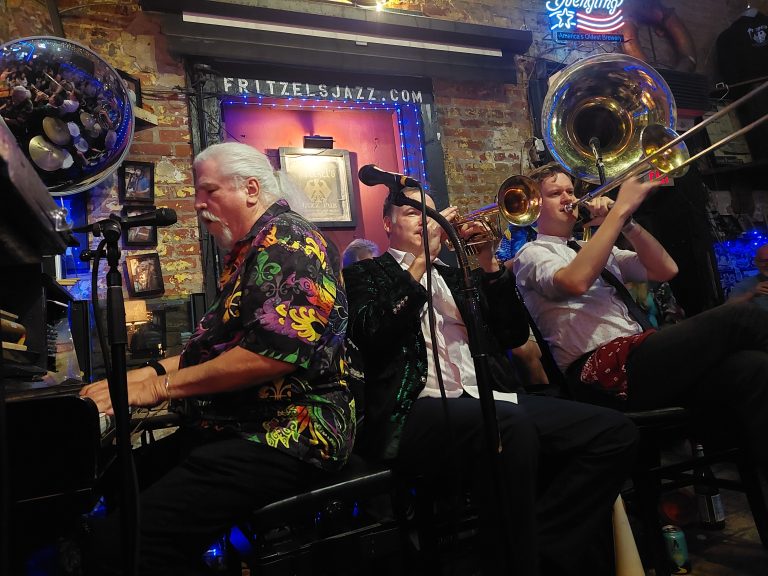
The French Quarter Fest in New Orleans was pushed back to the weekend before the two Jazz Fest weekends so we decided to go for all three weekends. We hadn’t been to a Quarter Fest in over 20 years, although the last time it was sequential we got there in
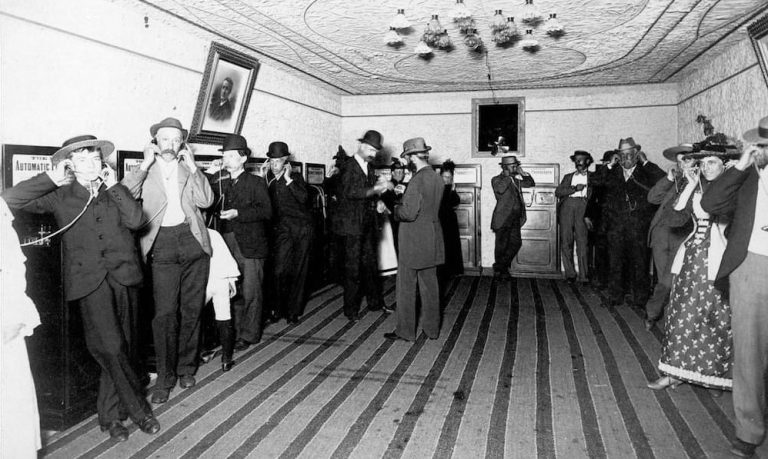
In the 1890s, the phonograph was still so new to most of the public. Not only was it new, it was expensive. Very few people could actually afford a machine and its records. Only at the very end of the brown wax era (1901) could a working person afford a
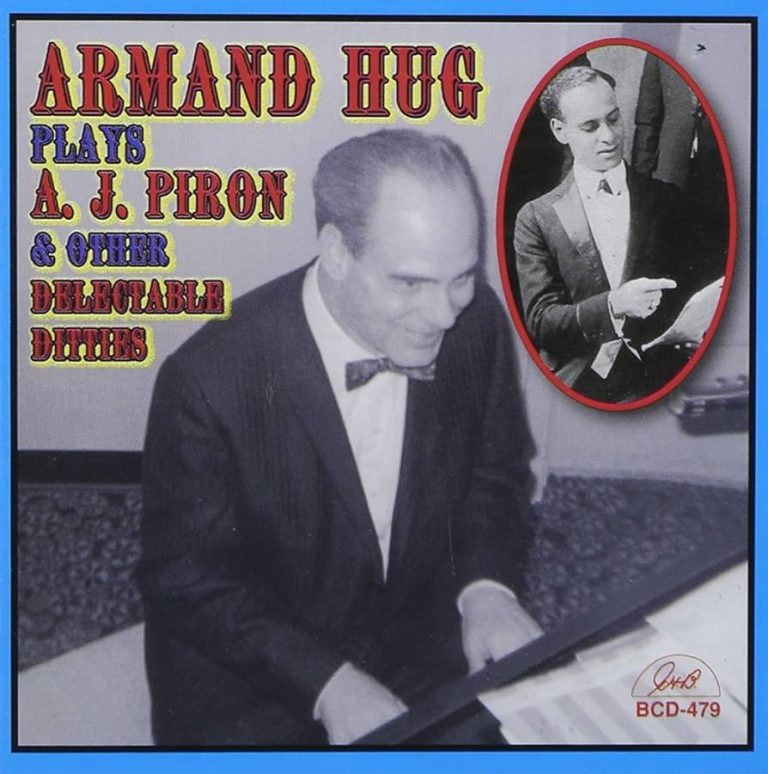
Armand Hug (1910-77) was one of the top pianists to be active in New Orleans during the 1950s, ‘60s and ‘70s. A professional from the age of 13, he first recorded in 1936 on two songs with Sharkey Bonano but he did not begin to record regularly until 1949. While
Bob Greene (1922-2013) is best remembered for his 1974 album The World Of Jelly Roll Morton. While he played in trad jazz settings in the 1950s recording a quartet set in 1950 and working with Sidney DeParis and Johnny Wiggs, he spent a long period away from music, employed as
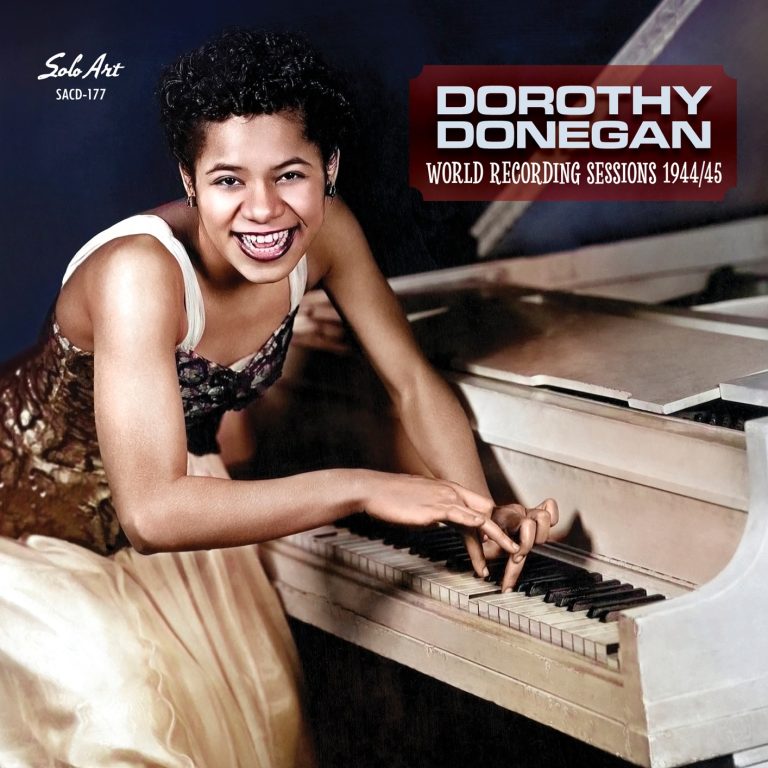
Dorothy Donegan (1922-98) was one of the all-time greats of the jazz piano even though she never quite received the recognition that she deserved, at least not until late in life. Based in Chicago in the 1940s, her technique was so phenomenal at an early age that Art Tatum was
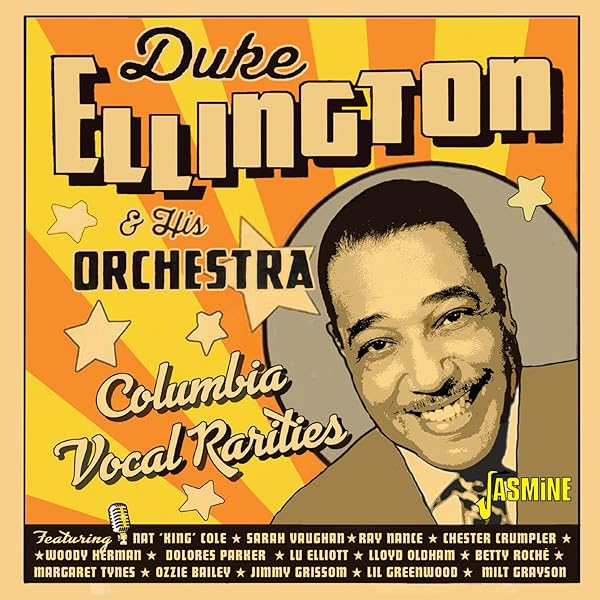
The finest singers to be regularly featured with Duke Ellington’s orchestra were Ivie Anderson, Joya Sherrill, Herb Jeffries, and Al Hibbler with Ray Nance being the best of his singing instrumentalists. Other than Nance, none are heard from on Columbia Vocal Rarities. The 25 selections are taken from Ellington’s two
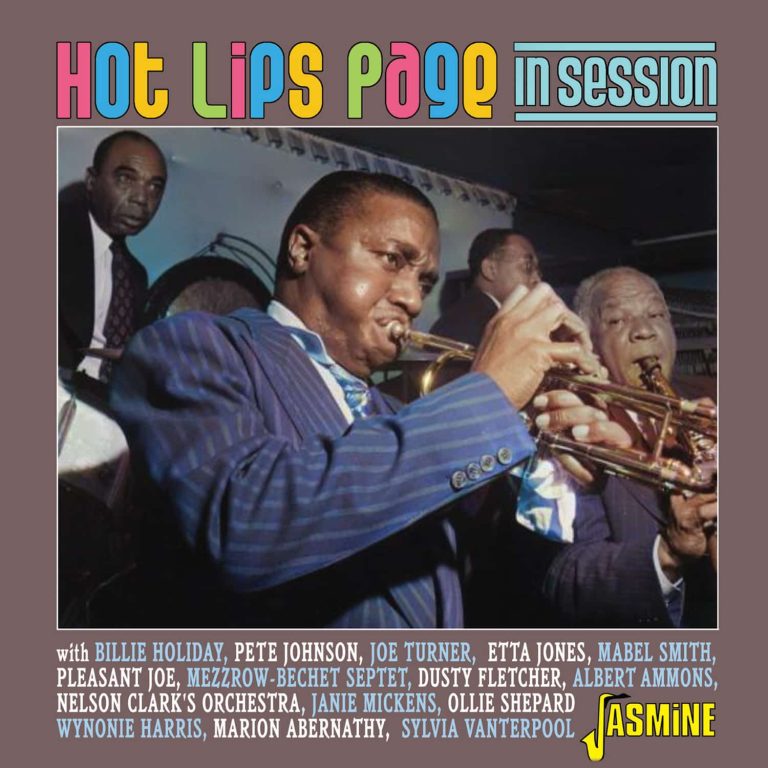
Oran (Hot Lips) Page (1908-54) was one of the great trumpeters to emerge from Kansas City in the 1930s in addition to being a fine blues singer. Born in Texas, he began his career backing blues vocalists at circuses and minstrel shows. Page moved to Kansas City to join Walter
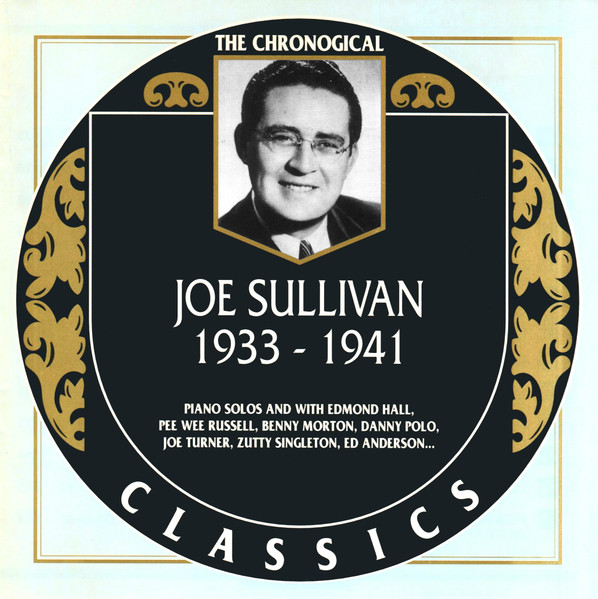
JAZZ CLASSIC OF THE MONTH Pianist Joe Sullivan was a superior stride pianist who was most influenced by Earl Hines’ “trumpet style” approach to playing octaves. He was an important contributor to the 1920s Chicago jazz scene, worked with Red Nichols, Bing Crosby (1934-36), Bob Crosby’s orchestra (although a bout
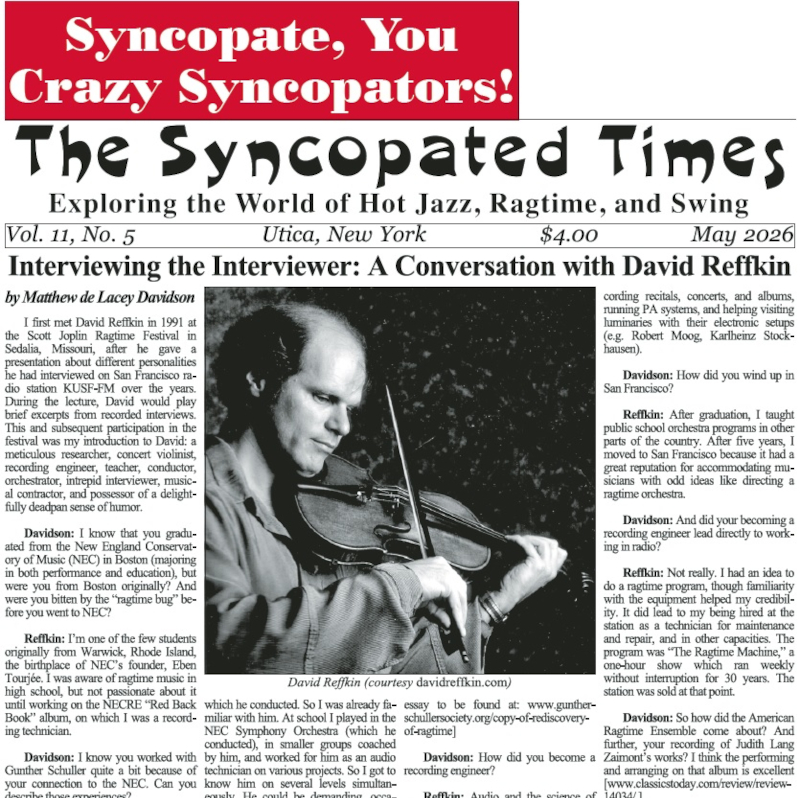
Table of Contents
Vol. 11, No. 5, May 2026
Interviewing the Interviewer: A Conversation with David Reffkin, by M. de L. Davidson
Bix Fest: Emerald Anniversary, Centennial Tributes, and More!, by Hal Smith
Hart Aches: On the Greatest Tragedian of American Popular Music, by David Federman