
Most Jazz musicians have a dual, connected complaint: the lack of gigs and the lack of places where they can play their kind of music. This is not new. In fact, it was already being chronicled in the 1920s, when Eddie Condon and his crowd complained about having to play
We’ve all heard many of the jazz history’s more accomplished musicians resist explaining the creative process behind their composing or playing, preferring instead to let the music “speak for itself.” After all, an artist of any kind would want a new creation to express in some way the thoughts and
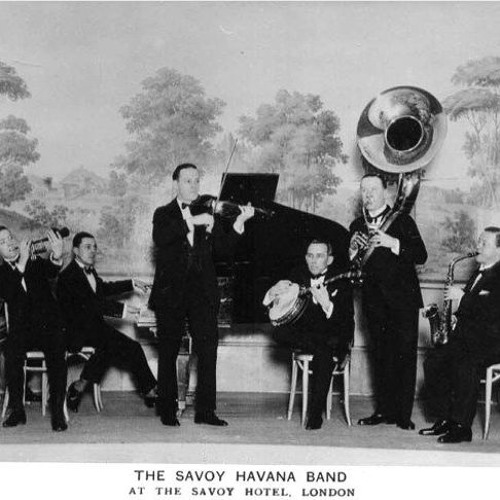
A century ago, they were undoubtedly one of the biggest names in broadcasting in the UK, Europe, and large parts of the world. The Savoy Orpheans and Savoy Havana Band, both resident at the Savoy Hotel, London, were on the air at least twice a week to audiences of millions.
ThePop-Up Piano Bar at the downtown Coronet Restaurant gathers a fun group of amateur and professional singers for various solos, duets and general sing-a-longs. Hostess Briggs Clinco and master piano man Marco Rosano encourage the crowd to take to the mic and belt one out. There are hundreds of lyrics
In May of 2025, Barcelona’s internationally praised Sant Andreu Jazz Band, consisting of young musicians ranging from pre-teen to roughly 21 years old, made quite the splash at the Essentially Ellington competition in New York, coming in 2nd Place among thirty American high school big bands. The event was created
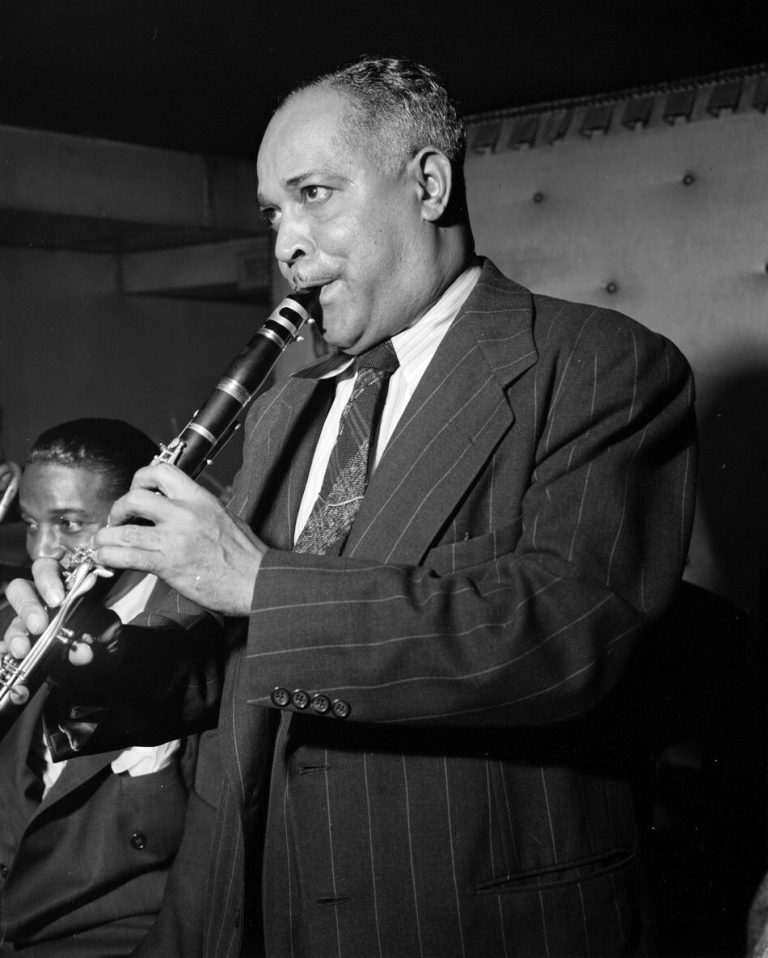
Clarinetist Albert Nicholas and trumpeter Bill Coleman had compatible styles and were active during similar periods. But, other than a brief time when they were both members of the Luis Russell Orchestra, they seemed to have crossed paths only on surprisingly rare occasions. However, their careers had a few similarities.
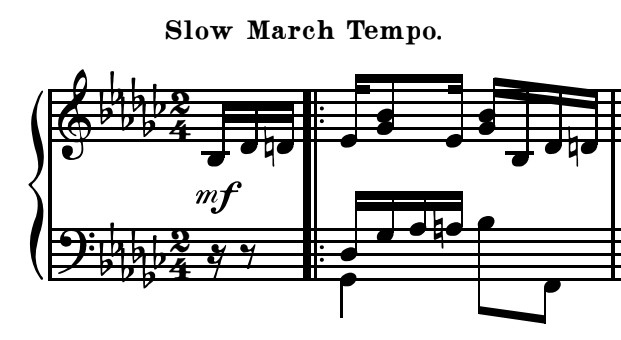
In my opinion, Vincent Matthew Johnson is the foremost composer of Classic Ragtime not named Scott Joplin. Moreover, I also believe that the assortment of Johnson’s pieces contained within Invincible Syncopations (BSW-2241, available at rivermontrecords.com) is one of the most formidable collections of a single composer’s “classic-style” Ragtime works. The
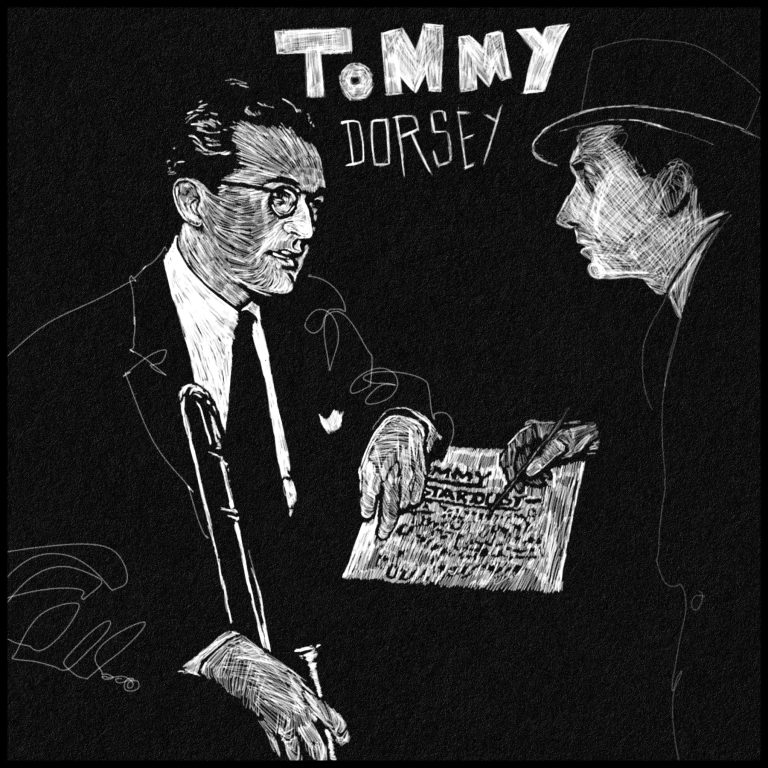
Tommy Dorsey was born November 19, 1905, in Shenandoah, Pennsylvania. He was taught trumpet by his father who also gave lessons to his brother Jimmy. While Tommy would switch his main focus to trombone by the mid-1920s, he still occasionally recorded on trumpet. The Dorsey Brothers led parallel lives until
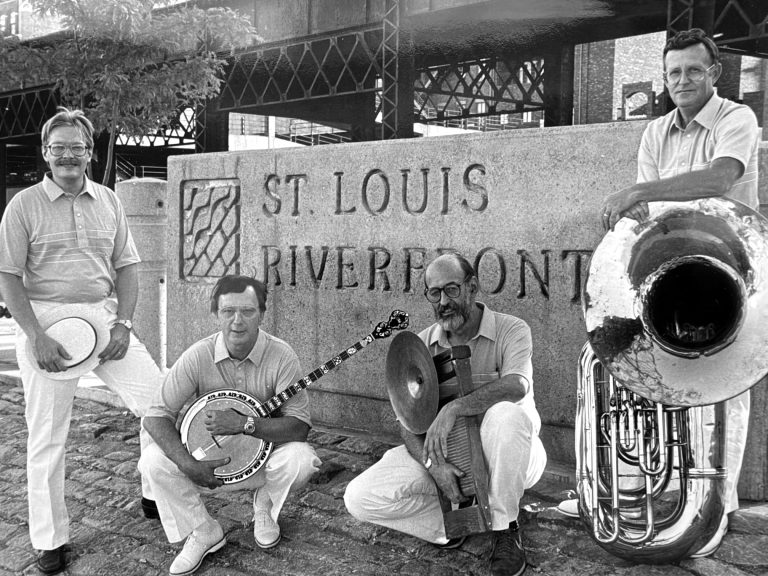
Jeff Barnhart: Dear listeners of Le Music Hot, I’ve got a surprise for you this month! My erstwhile collaborator Hal Smith is wending his way across the country to play at the Redwood Coast festival in Eureka CA (since he lives in Arkansas and drives to his gigs, I think
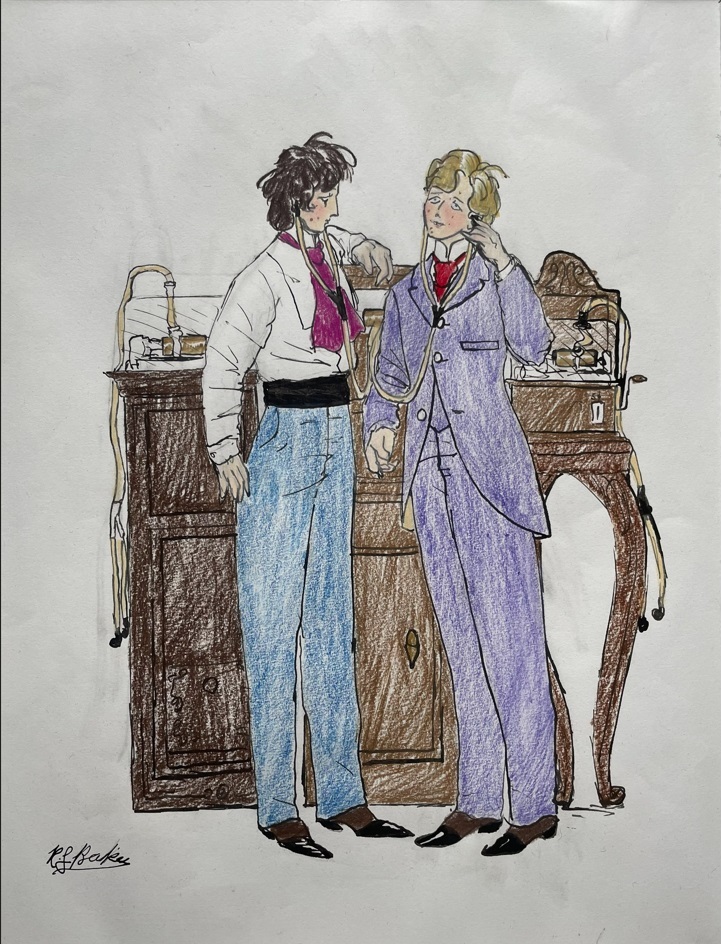
Here a typical early coin phonograph scene is illustrated. In the early 1890s people described the rise of coin phonographs as a disease, “popping up like mushrooms,” especially in New York. Before the beginning of the 20th century, most people listened to all recorded music through ear tubes, and often
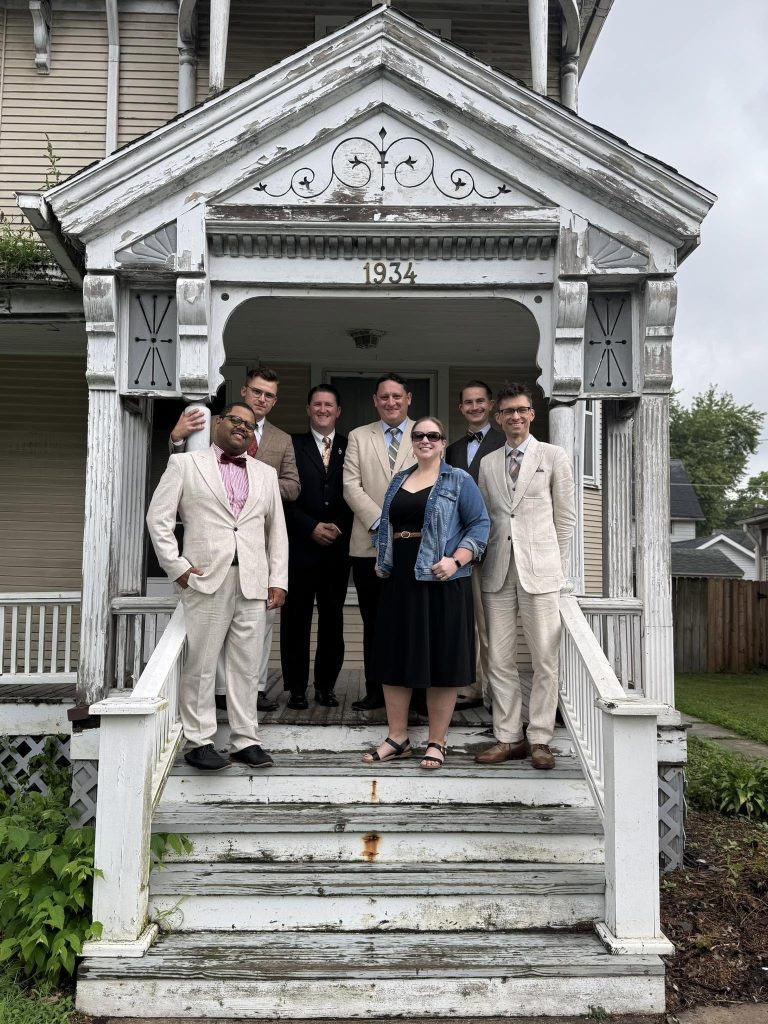
Supporting my intention to live up to this column’s title, I’d like to share some real uplifting news! I’m referring to the purchase of Leon “Bix” Beiderbecke’s home in Davenport, IA by a handful of talented musicians and associates dedicated not only to preserving Bix’s musical legacy, but also a
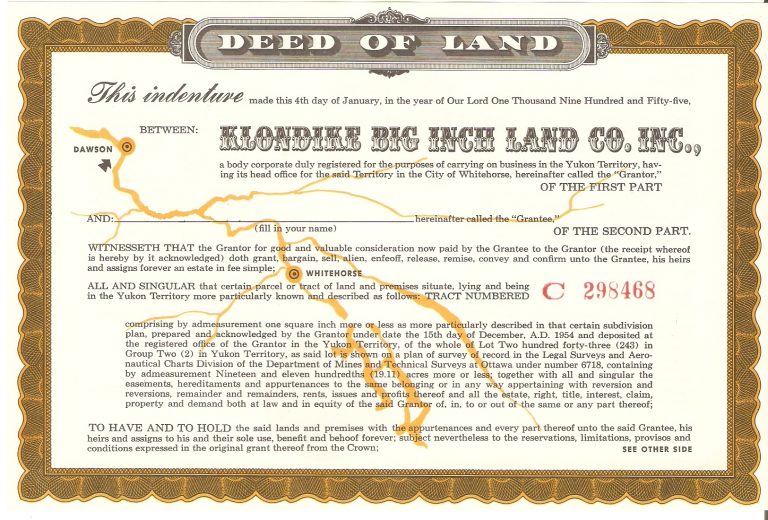
I realize that I don’t say nearly enough about jazz in this column. That may be because I’m usually thinking about something else entirely. This month did, uncharacteristically, have some jazz in it and I’m pleased to discuss it as a service to my readers who would much rather not
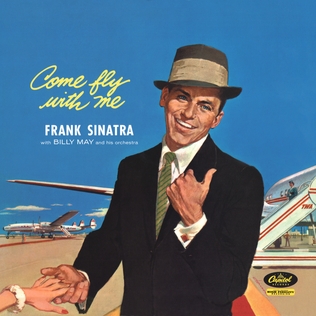
“Come Fly With Me” by Jimmy Van Heusen (music) and Sammy Cahn (lyrics), 1958. This song, released on Capitol Records in 1958, was written specifically for Frank Sinatra and has, of course, become synonymous with Ol’ Blue Eyes. Van Heusen and Cahn were also responsible for writing other Sinatra hits,
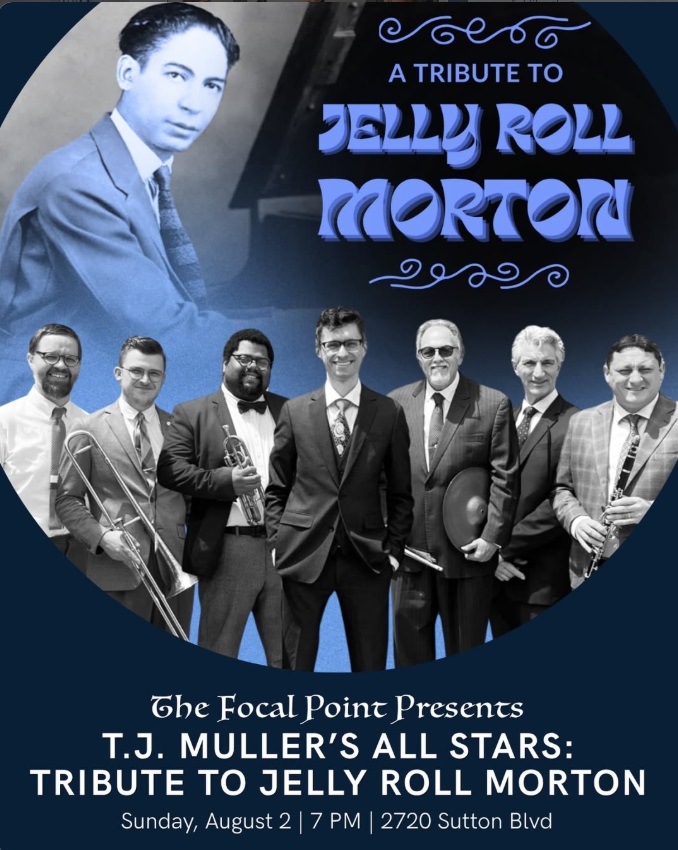
Immediately following the Bix Beiderbecke Jazz Festival in Davenport, Iowa, I extended my musical odyssey in St. Louis. On Sunday, August 2, I went to the regular monthly concert at the Focal Point, a listening room in the inner ring suburb of Maplewood. The musicians were almost entirely the same
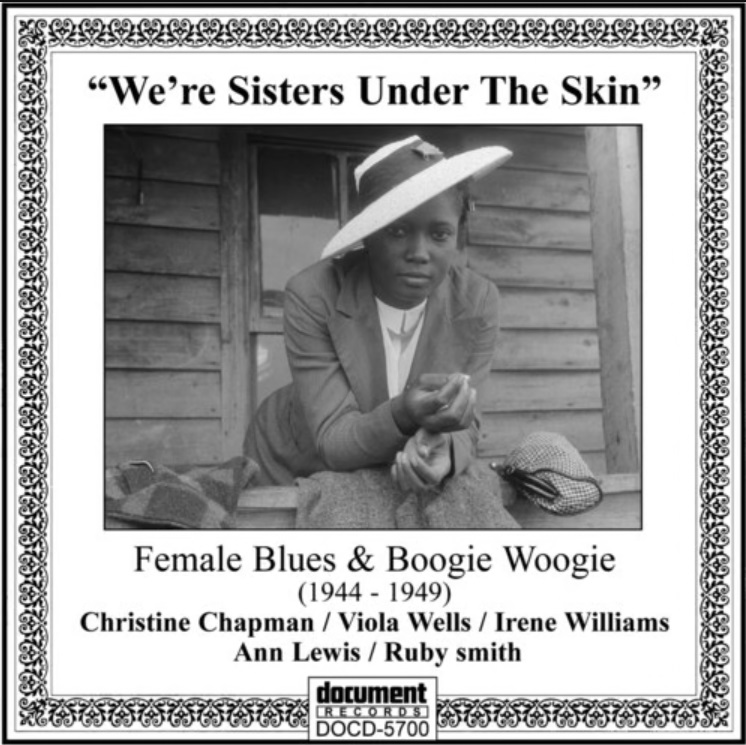
Since its formation in 1986 by the late Johnny Parth, the Document label has compiled a rather huge catalog with the goal of reissuing every vintage blues record from 1920-50 and beyond. Some of their releases overlap with early jazz and they also include many valuable ragtime, early country, and
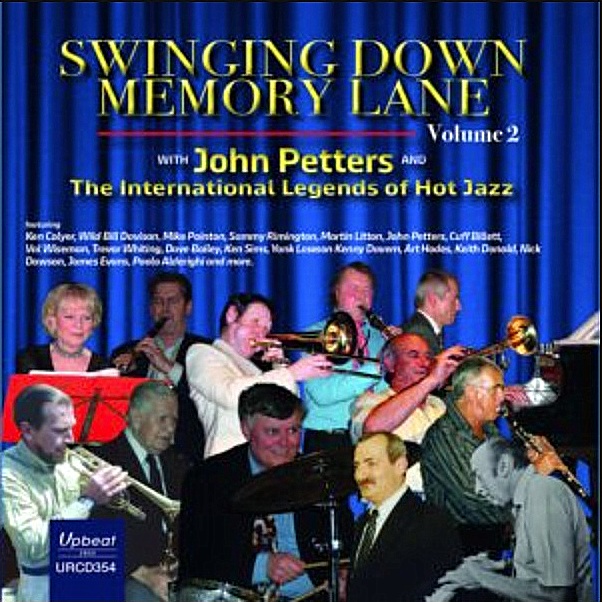
Veteran British jazz drummer John Petters, who produces many of the Upbeat CDs, previously compiled Swinging Down Memory Lane. That CD included 16 previously released highlights from his career, dating from 1977-2009. Volume 2 has additional selections from a variety of all-star sessions and is, if anything, even more exciting
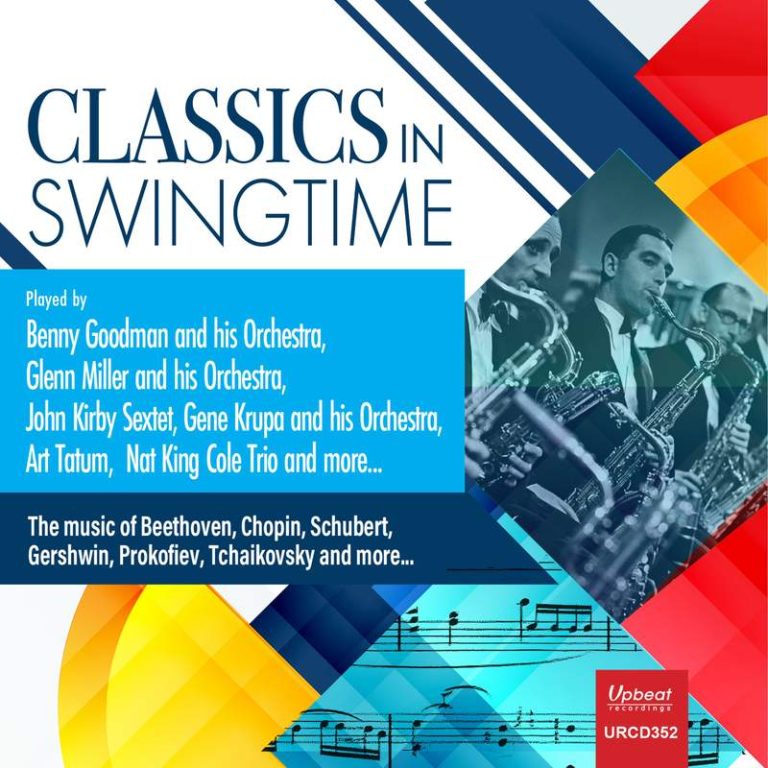
Throughout its history, jazz musicians have often drawn its repertoire from other sources, transforming the music into jazz. In its earliest days, bands often included hymns, marches, blues, ragtime, pop songs of the period, tunes from the stage and screen, and classical melodies. The latter is the focus of Classics
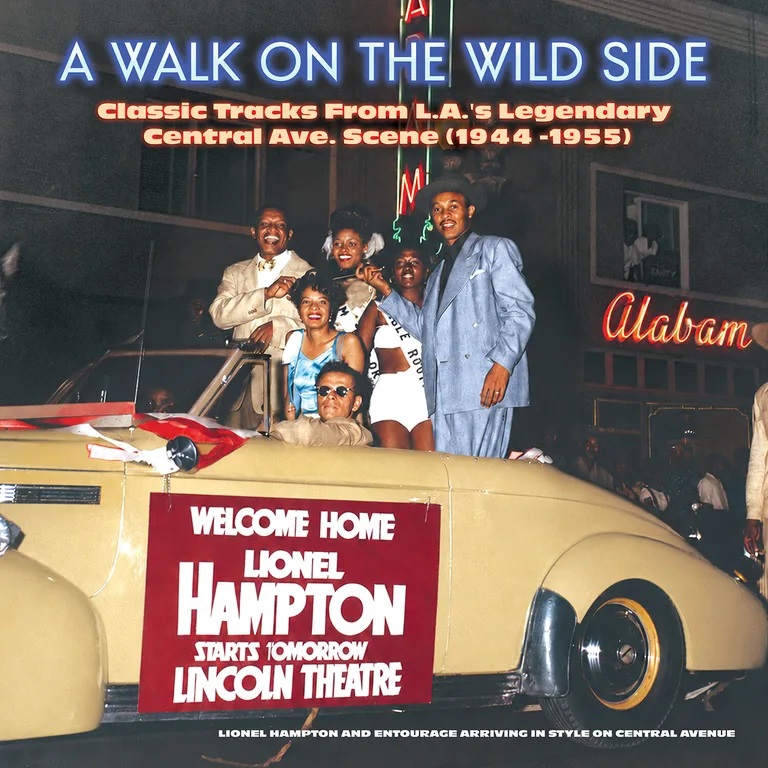
New York’s 52nd Street, nicknamed “Swing Street,” was renowned as a legendary center for jazz during 1935-46 with quite a few nightclubs housed within a small area. Los Angeles counterpart, Central Avenue, is less known but actually had a longer prime period as a major black entertainment area, lasting from
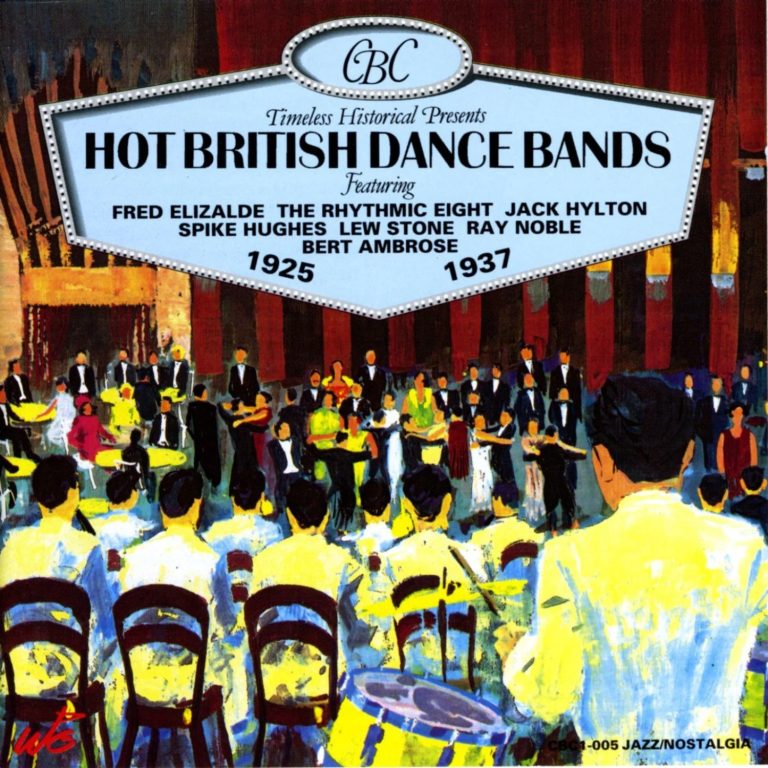
JAZZ CLASSIC OF THE MONTH While dance music was always much more popular in Great Britain in the 1920s and ’30s than jazz, even the top society bands occasionally performed jazz since it was danceable. The orchestras could not devote themselves exclusively to the music because, to an extent, jazz
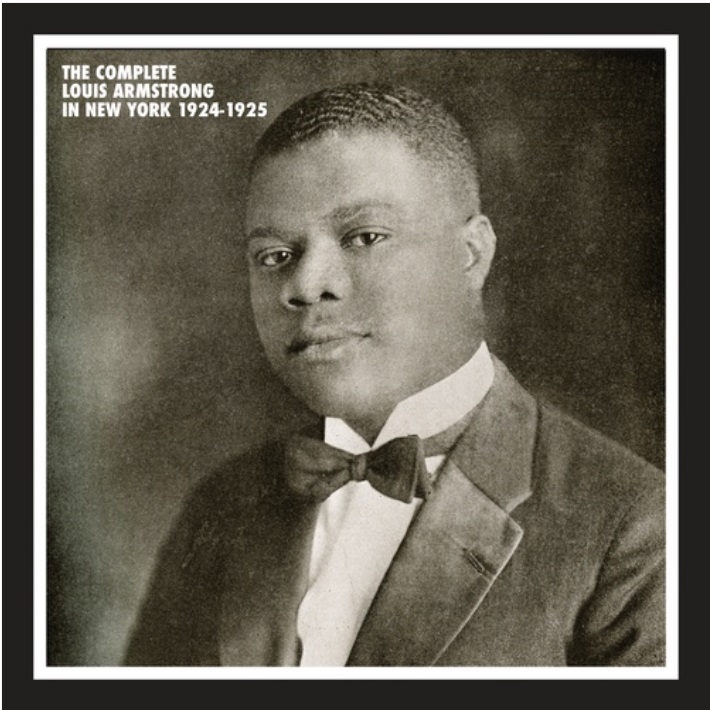
By the time the 23-year-old Louis Armstrong arrived in New York in 1924, that city had become a vital proving ground for jazz musicians—and a crucible for jazz innovation. It had recording studios and clubs galore; it had radio stations, although dance-band remotes were just getting started. News of this

Ma Rainey (1886-1939) has been accurately called the “Mother Of The Blues.” Born before almost all of the other classic blues singers of the 1920s (Mamie Smith preceded in 1881) and with a birth date that might actually have been 1882, Rainey reportedly was singing the blues as early as

From one descendant to the next, nobody expects the unexpected in their family tree. Grandma ran the local switchboard. Aunt Bonnie made the best pies! Cousin Jim was a respected mechanic. Great-grandpa worked at the old mill. Well, what if you found out that your great-grandpa was the personal driver
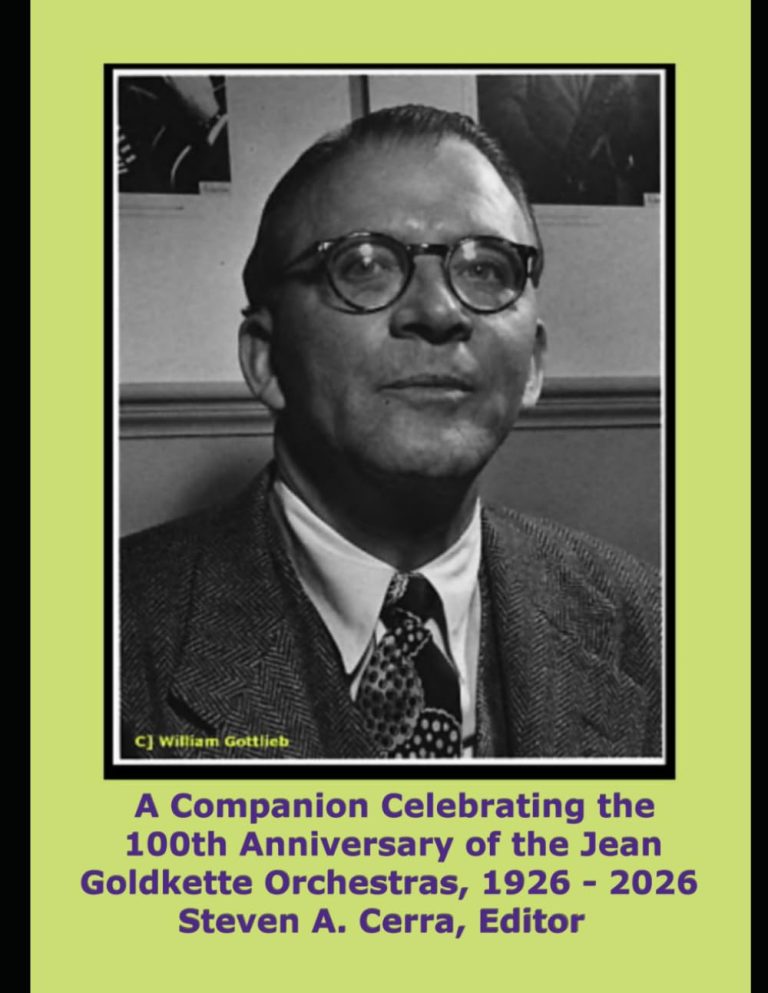
Some innovations were so inevitable that there’s an apparent simultaneity to their creations. Thus, the motion picture evolved contemporaneously in several countries with Edison attention-hogging his contribution, just as he did with his contribution to the creation of recorded sound. Likewise, a monumental change visited the world of jazz during
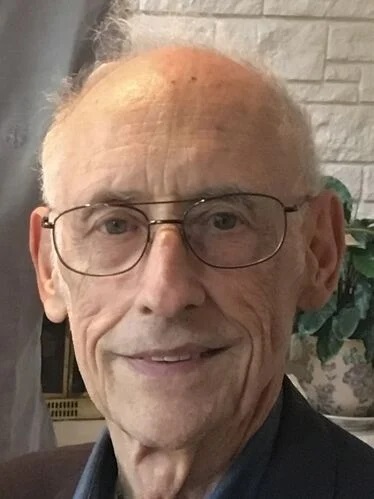
Don Franz, tuba player and a founding member of the St. Louis Ragtimers, died August 28 in St. Louis. He was 92. A musician, engineer, and former co-owner of the Goldenrod Showboat, Franz helped sustain both the sound and the setting of St. Louis’ ragtime revival. Donald Roy Franz was
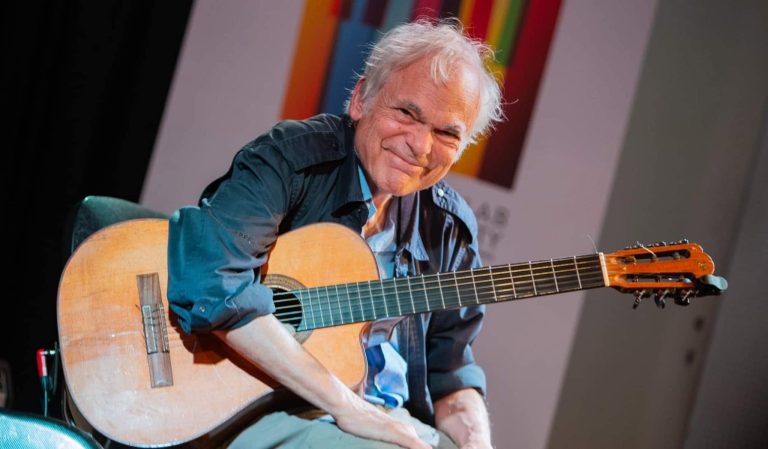
Gene Bertoncini, a jazz guitarist known for bringing the nylon-string acoustic guitar into swing, standards, and Brazilian music, died August 29 in Englewood, New Jersey. He was 89. A New York native who studied architecture before making music his full-time profession, Bertoncini worked with Benny Goodman, Buddy Rich, Tony Bennett,

Nina Michelle, a Canadian-raised jazz singer who became a familiar presence on the Munich music scene, died unexpectedly October 7. She was 58. Michelle’s early jazz experience included performing in Vancouver with her father, trumpeter and pianist Ivan Nagy. A recording project with the New Orleans Dixie Stompers brought her

Tony Fisher, a British trumpeter whose career joined big-band jazz to decades of London studio work, died September 27. He was 90. Born in Manchester, Fisher began on cornet in brass bands under the guidance of his father, a bass player. By his teens he was touring British theaters as
Vol. 11, No. 11
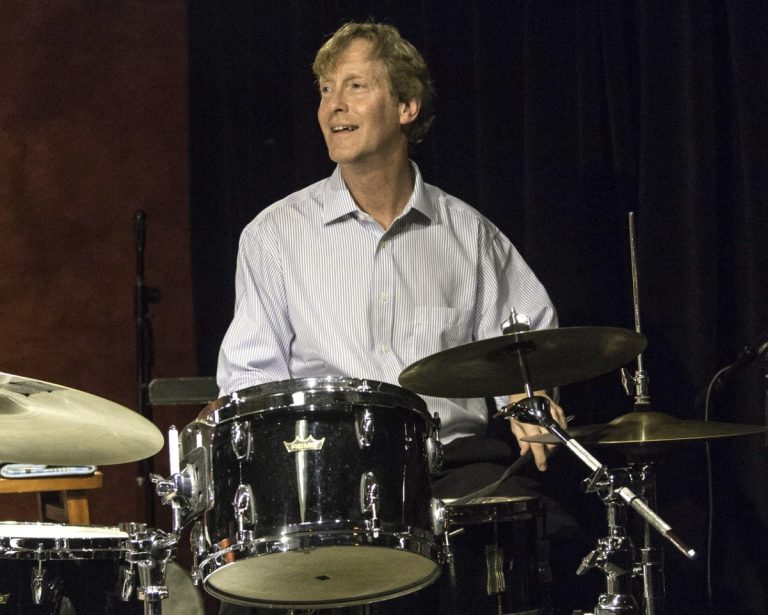
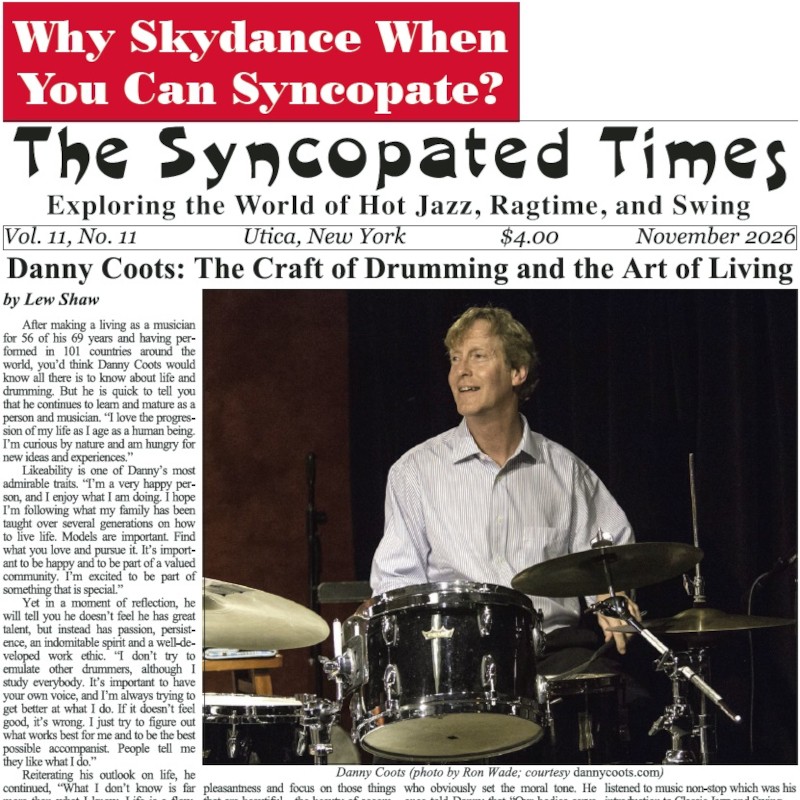
Danny Coots: The Craft of Drumming and the Art of Living, by Lew Shaw
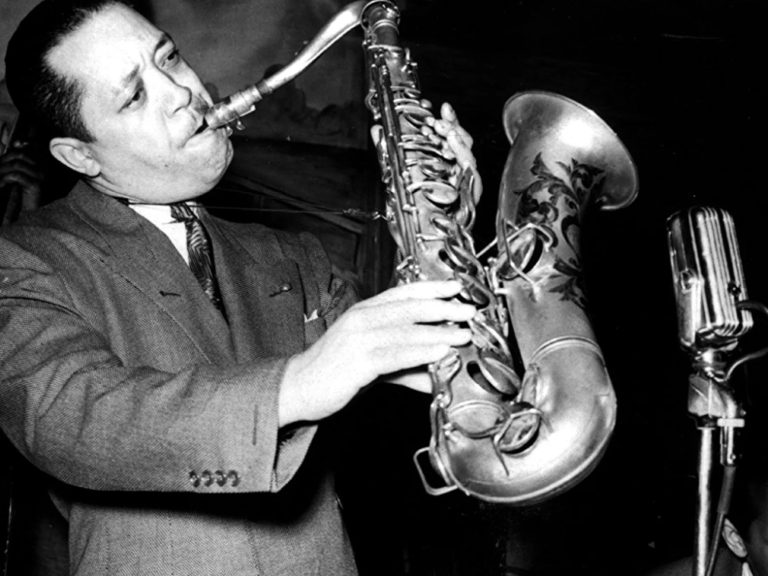
Lester Young Speaks! Rare Interviews with the Sax Legend, by Garry Berman
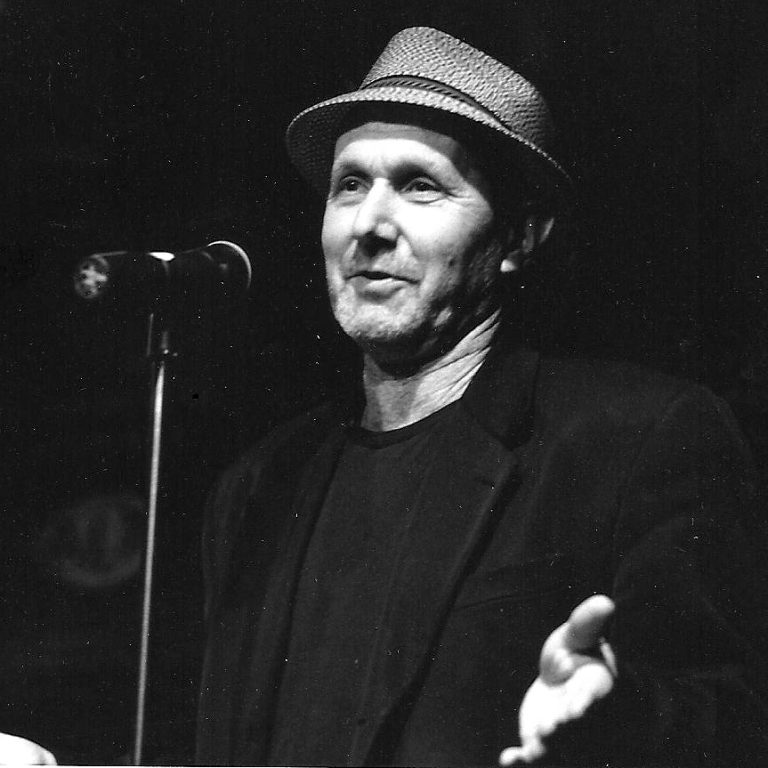
Tom Guralnick and the Outpost Performance Space, by Steve Provizer
“Ellingtoniana”: The Sant Andreu Jazz Band in NYC, by Garry Berman
A Foxtrot Too Far: The Savoy Bands Story, by Jonathan Holmes