

Over the years, a number of musicians told me of their memories of September 11, 2001. I have selected a few to mark the 25th anniversary of that tragic day. The night before 9/11, singer Sheila Jordan was staying at her daughter’s downtown apartment as her daughter was ill. “I
Some artists thrive on what is known as “the liberating constraint.” The idea that you are forced to do more with less. You don’t necessarily need the far flung recesses of the galaxy packed with aliens, ray-guns and black holes to make a compelling scene…sometimes you just need two people
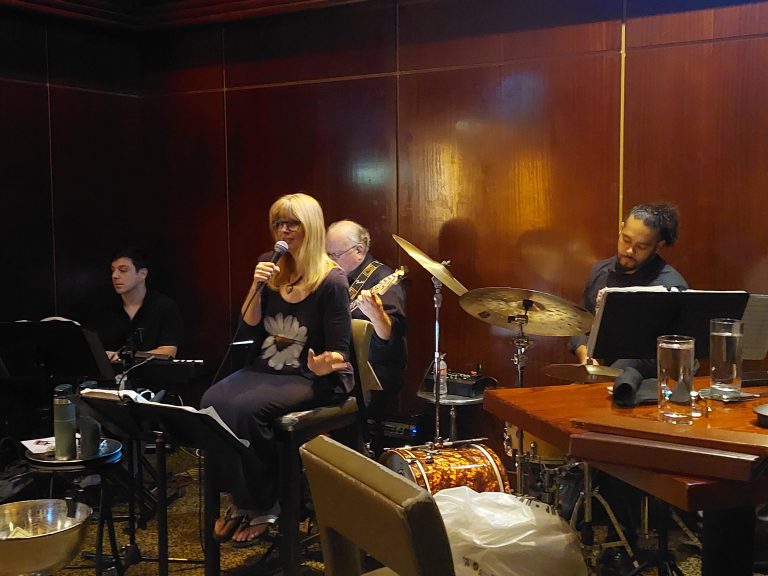
While the rest the world is scorching, Tucson welcomes monsoon rains and its afternoon cooling effect. The monthly Tuesday night Pop-Up Piano Bar group has moved to Sundays and the crowd temporarily convened at a different venue for one evening. Tooley’s Cafe just east of downtown and in the Lost
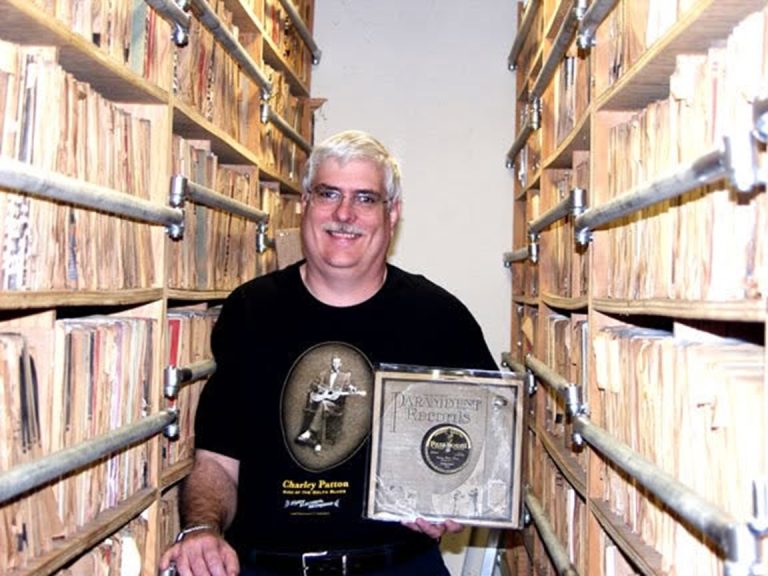
My friends on Facebook will have noticed that I have been posting a lot of commentary and links about the reports of books being sliced and diced to feed into the AI monster. My record friends may be wondering what all this has to do with record collecting…so here goes:
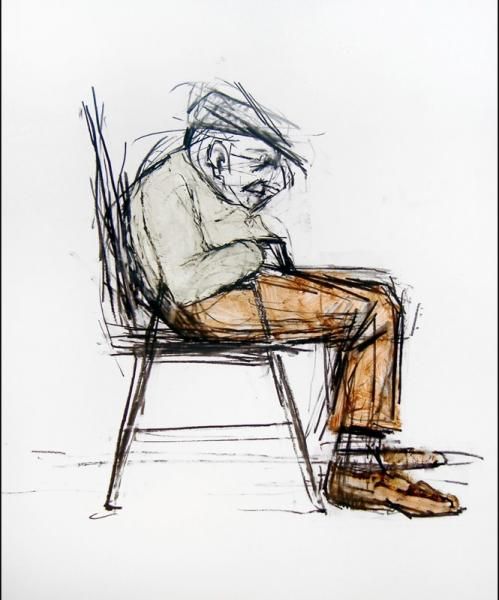
I’ve been a YouTube watcher for a long time, and I’ve been posting video since 2009. If YouTube could collect a penny from every anonymous critic who knows how it should be done, every artistic purist who knows what the truth is, and every abusive derider, it would be an
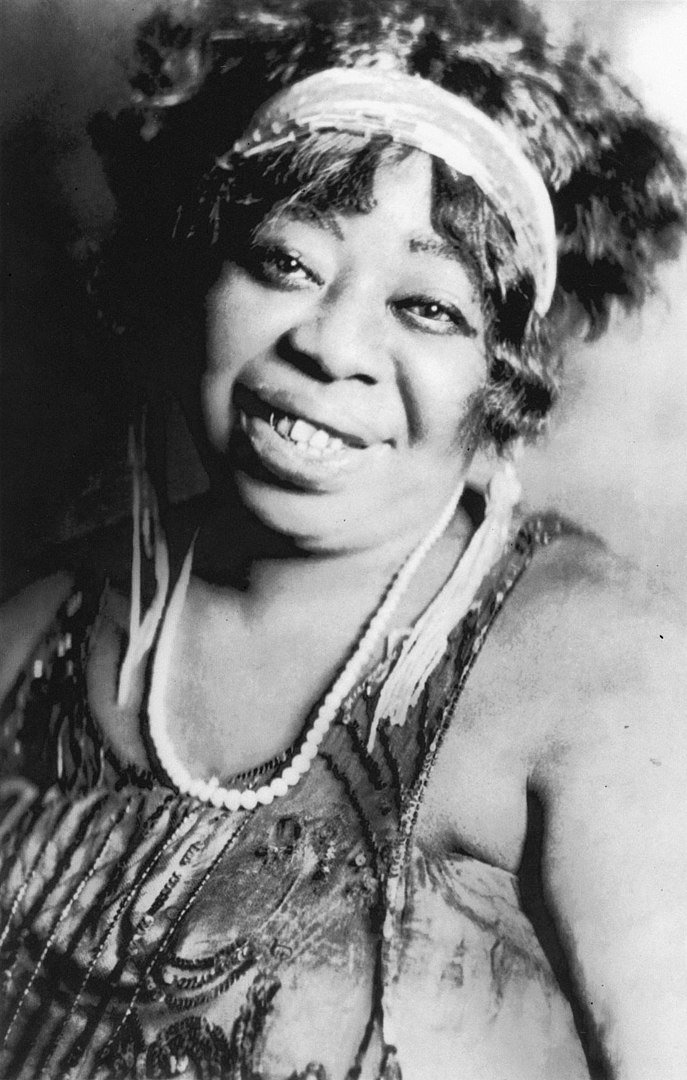
Of all of the classic blues singers of the 1920s who were able to record, Ma Rainey’s history went back the furthest. In an interview in the 1930s, she said that she first heard the blues in 1902 and soon afterwards was including blues in her repertoire. Billed as the
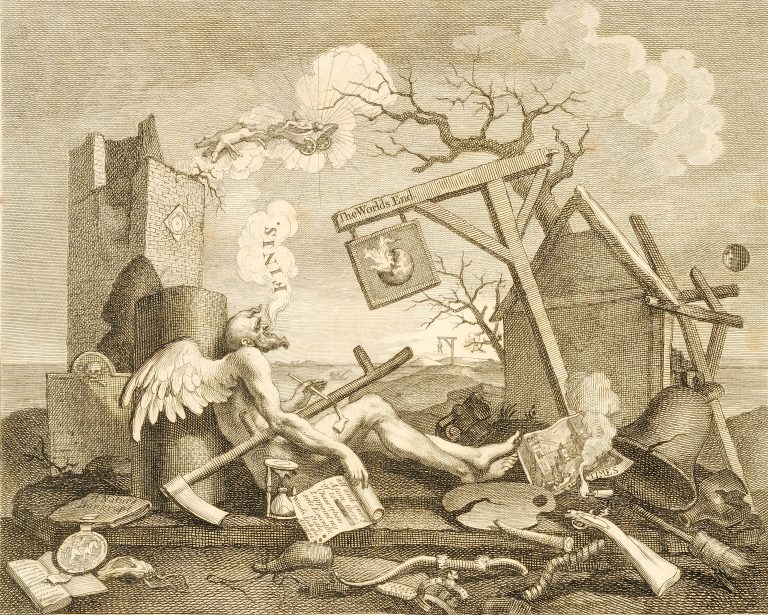
All in all, it’s been a lousy millennium so far. A number of you (some of whom I possibly respect) are poised at your keyboards to pound out emails to me to insist that I’m absolutely wrong, and this is the best time ever to be alive. I (somewhat) respectfully
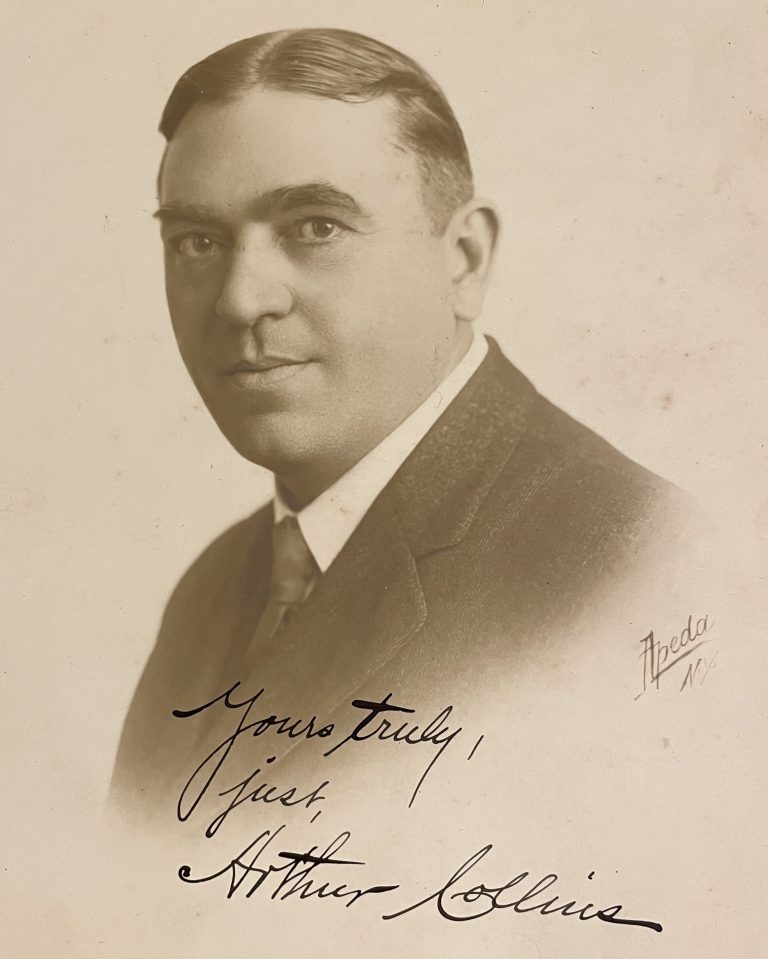
It is difficult to determine who the most popular singer of the acoustic era was, and while many of the time claimed this title for themselves, one could argue Arthur Collins was certainly one of them. His career went in several different directions before he became part of the phonograph
The Nash Jazz Club in downtown Phoenix, Arizona, recognized by Downbeat Magazine as “one of the Great Jazz Venues in the World,” has undergone a $1.8 million expansion of the Club’s facilities, including the creation of a 3,200-square-foot John Dawson Center for Jazz Education at the Nash. The expansion was
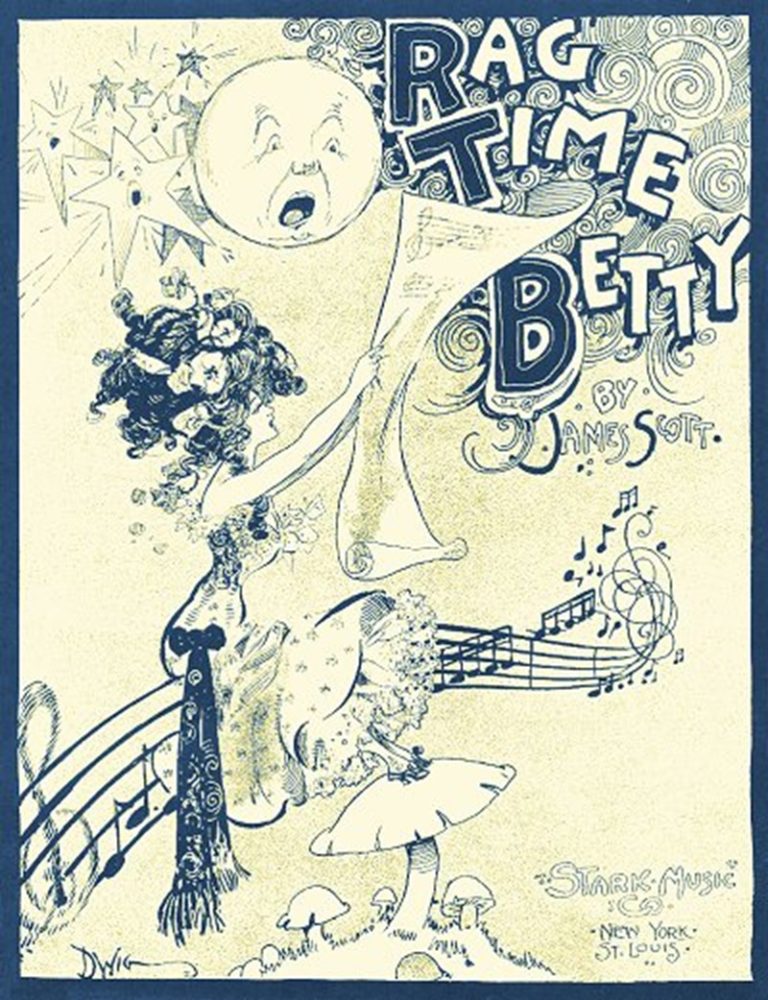
James Scott’s The Ragtime Betty (1909, its fanciful sheet music cover containing singing celestial bodies pictured) is quite a lovely piece. It’s a shame the original publication contains some egregious typos in the C and D sections (sadly typical of Stark Music Co.). Two passages in The Ragtime Betty remind me of Scott Joplin’s Fig Leaf: the
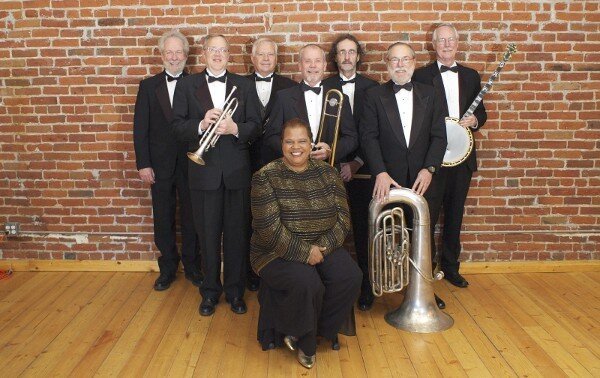
This July 24-26 marked the 23rd Evergreen Jazz Festival in the Front Range of the Rockies (elevation 7500 ft.) about 30 miles southwest of Denver. But for me it was the first time. I combined this festival with the Bix Beiderbecke festival in Davenport, Iowa the following weekend (you’ll read
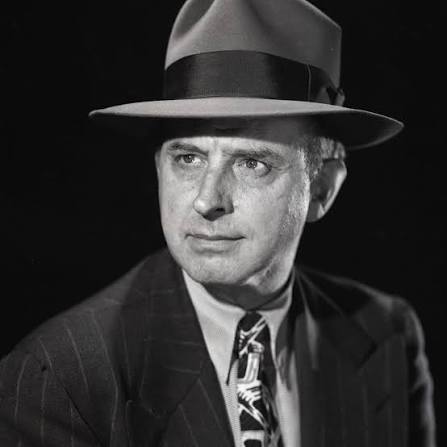
Jeff Barnhart: Welcome back, dear readers! Hal, last month we covered the early years of composer Fred Rose’s life and career. There is still so much to share about this (today) little-known musician, starting with some HOT tunes from the mid-1920s; one was such a mega-hit it’d be easier listing
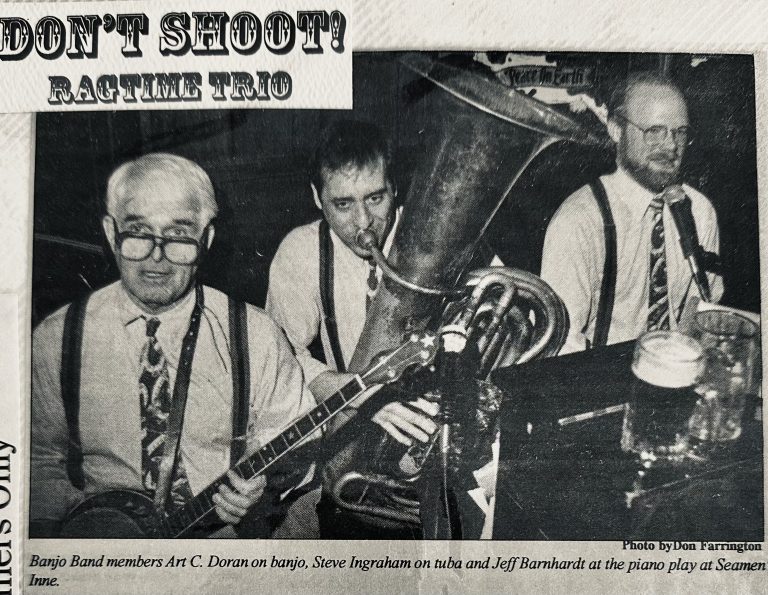
Having mentioned in last month’s column that Tex Wyndham would sometimes travel from Wilmington, DE to Mystic CT to sub for me while I was traveling, it now seems time to share the music and stories of the place he’d come play in my stead. Playing at the Seamen’s Inne
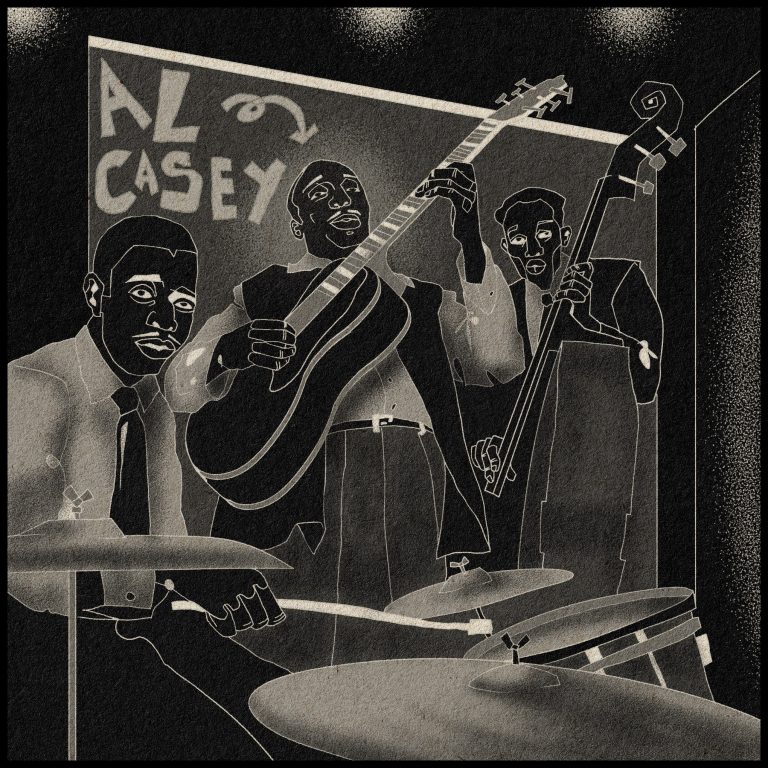
Albert Aloysius Casey was born September 15, 1915, in Louisville, Kentucky. He attended DeWitt Clinton High School in New York City and studied guitar. He was a child prodigy who first played violin. He began playing guitar in 1930 and met Fats Waller in 1933. The next year, 1934, the

The Secret Six, named after abolitionist John Brown’s Secret Society of Six of the 1850s, has been playing hot jazz in New Orleans since 2020. For their Toot Sweet and Goose the Beat release, the group’s personnel has solidified into a two-trumpet octet comprised of Zach Lange and Nathan Wolman
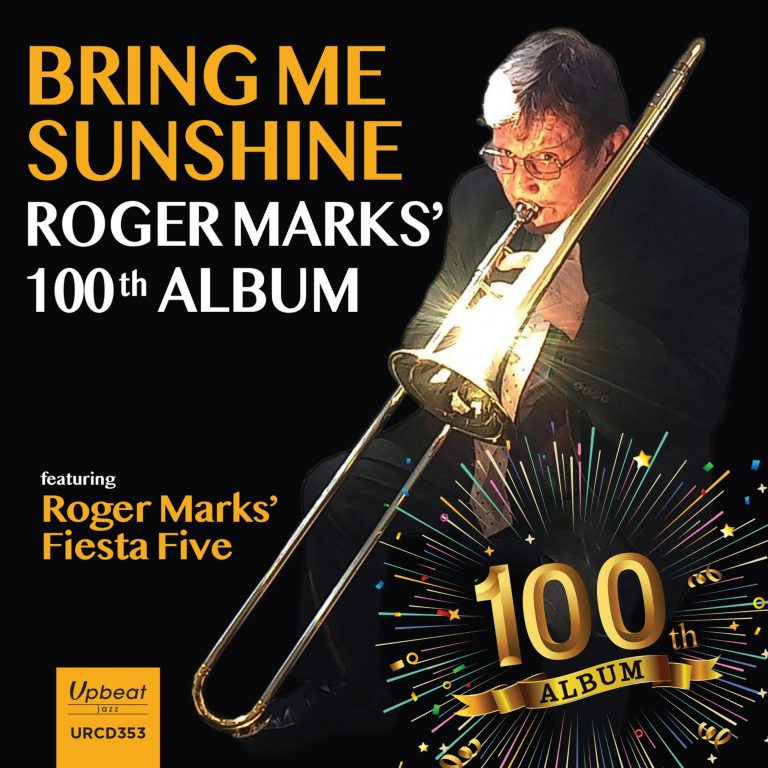
A very skilled British swing and trad trombonist, Roger Marks has, with the release of Bring Me Sunshine, now recorded exactly 100 albums since his debut with trumpeter Rod Mason’s band in 1977. He led the Armada Jazz Band (a pianoless sextet) during 1975-2017, recording regularly with the group starting
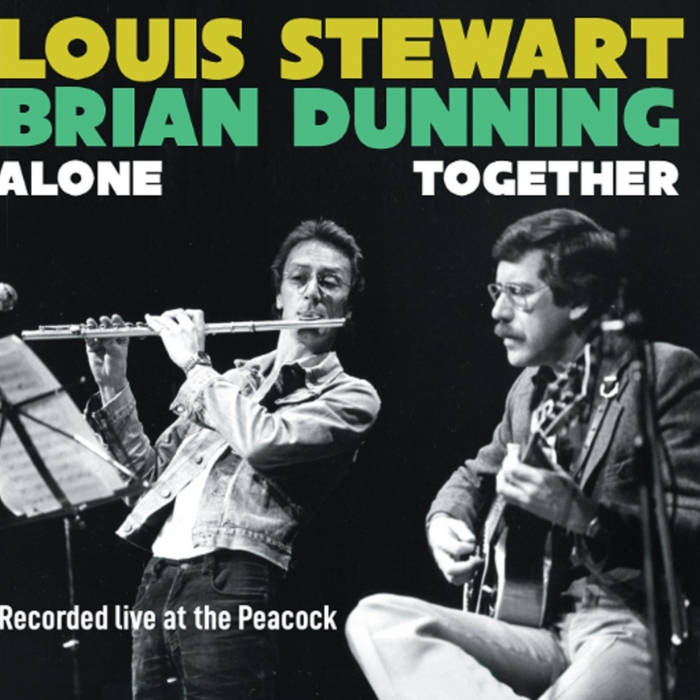
Ireland has never been considered a hotbed of jazz activity but a few impressive players came from that island. Guitarist Louis Stewart (1944-2016) is considered to be Ireland’s greatest jazz musician, a fluent guitarist with his own sound who mostly played straight ahead jazz based in swing. Early on he worked
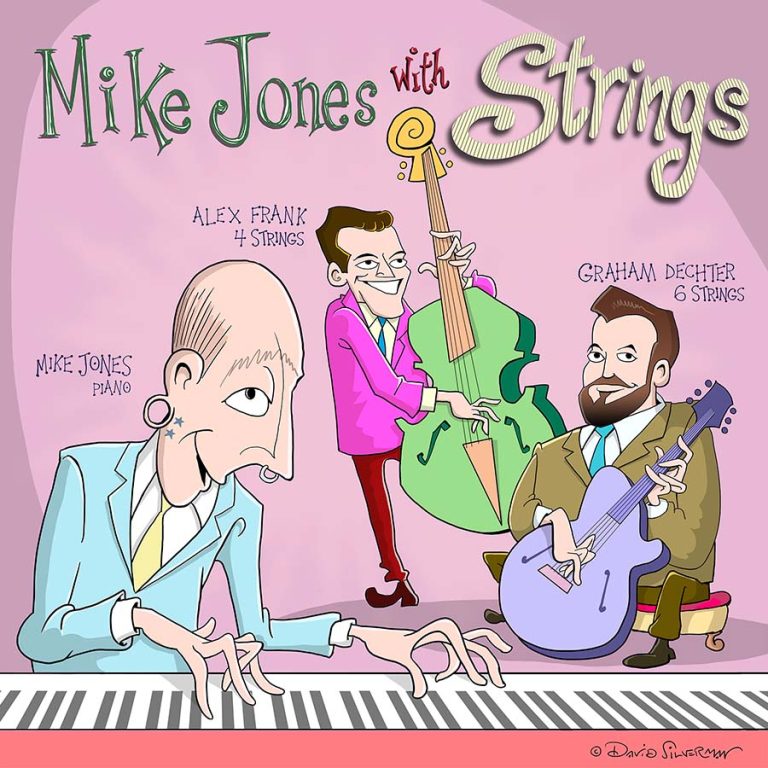
While the piano-bass-drums trio has been a fixture in jazz since the 1950s, and the instrumentation was first heard on records in 1935 when pianist Jess Stacy, bassist Israel Crosby, and drummer Gene Krupa recorded “Barrelhouse” and “The World Is Waiting For The Sunrise,” trios comprised of piano, guitar and
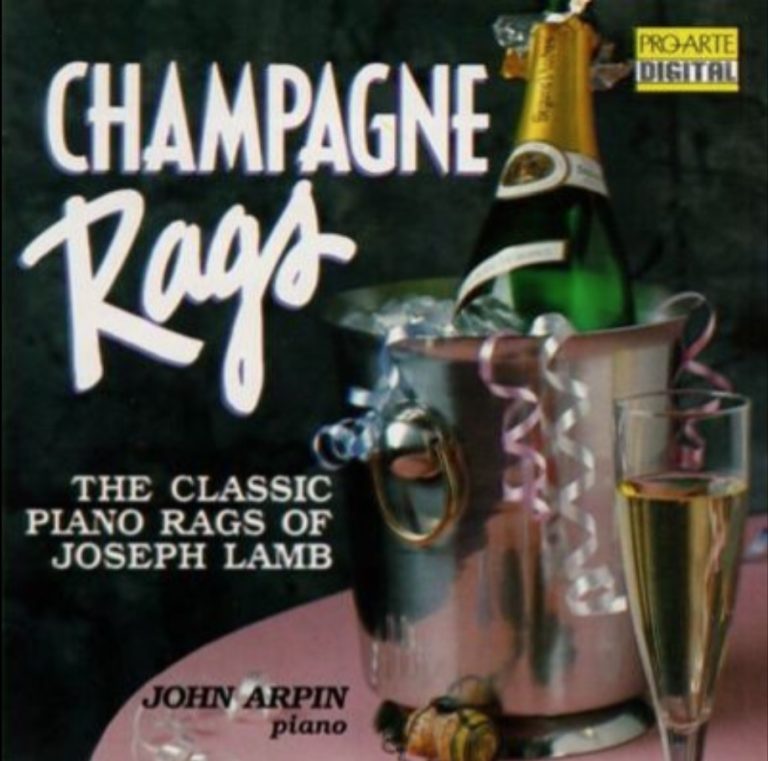
JAZZ CLASSIC OF THE MONTH Joseph Lamb (1887-1960) is regularly considered one of the “big three” of classic ragtime composers along with Scott Joplin and James Scott. He differed from the other two in that he was white, lived way past the ragtime era, was interviewed, and actually recorded late
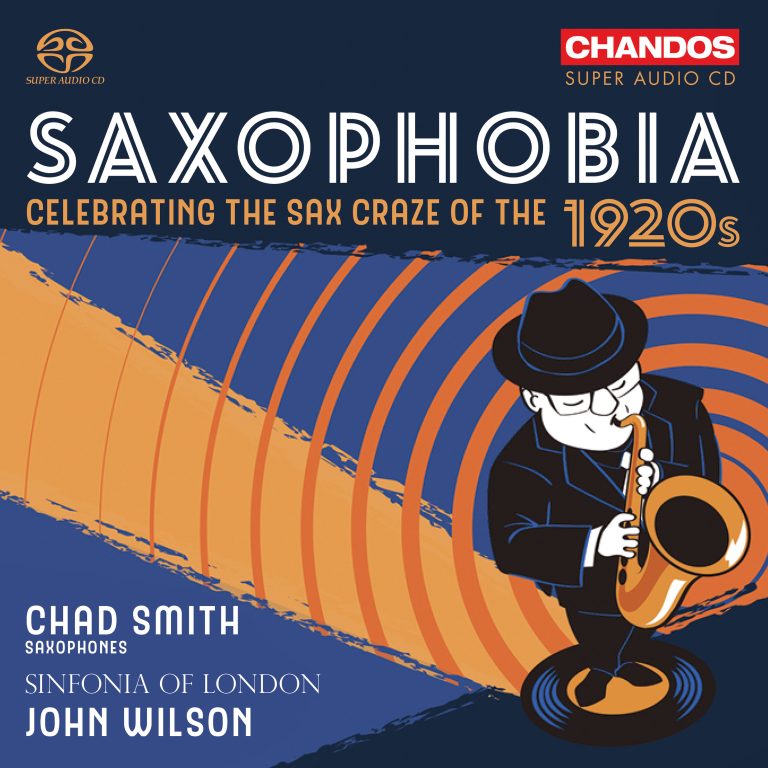
Chad Smith describes his new album as “a love letter to that moment in time, when the saxophone did not belong to any single world; not quite classical, not quite jazz, it borrowed freely from several kinds of music, it shimmered brightly, and spoke with a voice entirely its own.
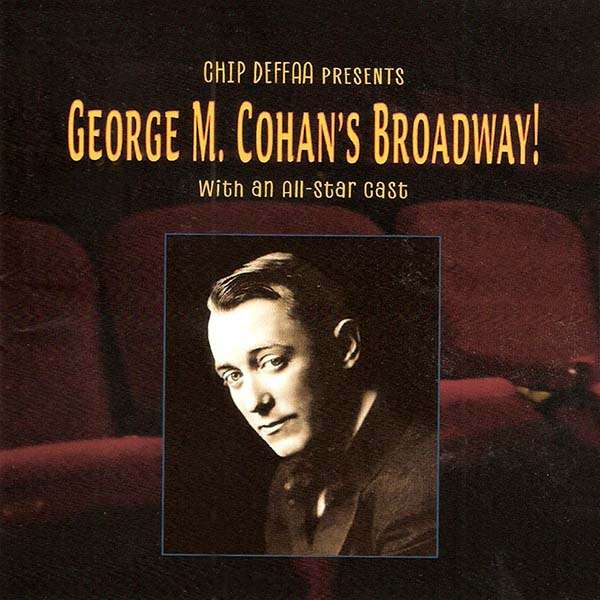
Theatrical polymath Chip Deffaa has been studying and promoting the works of George M. Cohan for over six decades, beginning when Chip was just a child and saw the movie Yankee Doodle Dandy. Cohan lived from 1878 to 1942 and worked for most of those years, first in a family
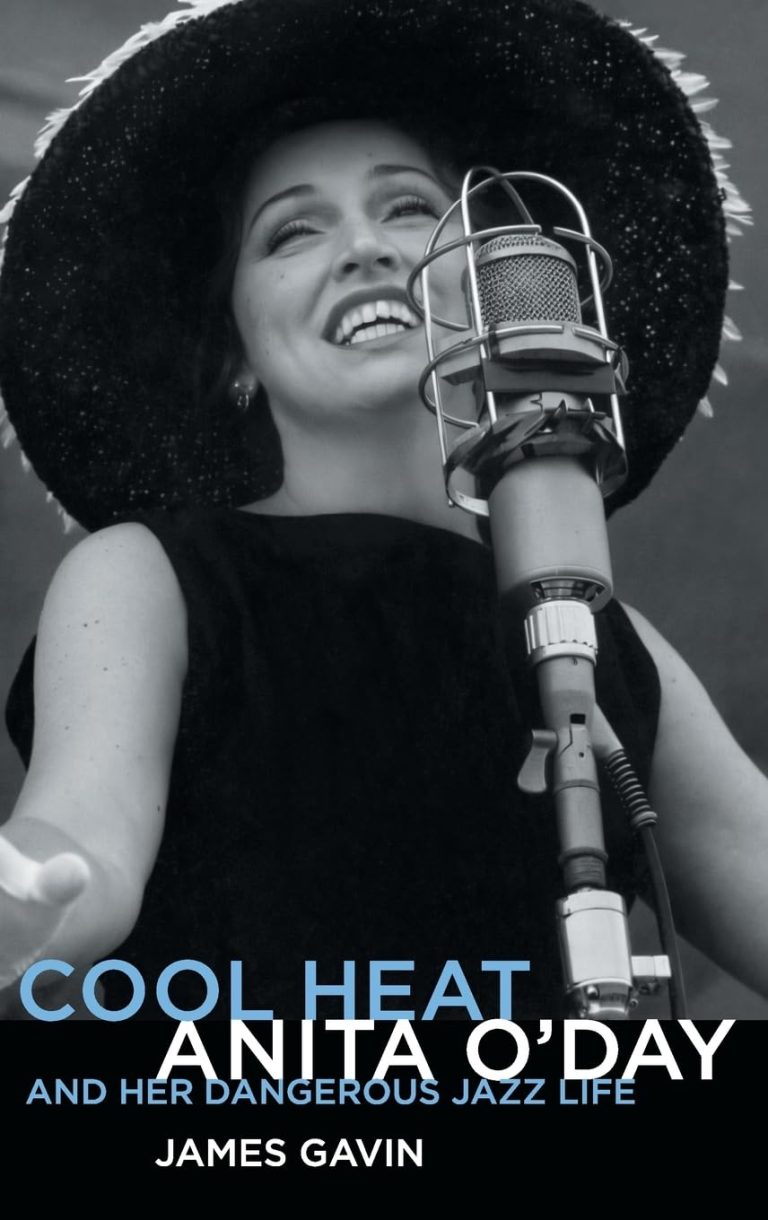
The word “love” shows up in many a song, the standards especially, offering emotional reinforcement whatever your situation when your favorite singer sings that word. Songs question it, regret it, disparage it, and above all celebrate it, and when your singer is hip to those complexities you can glory in
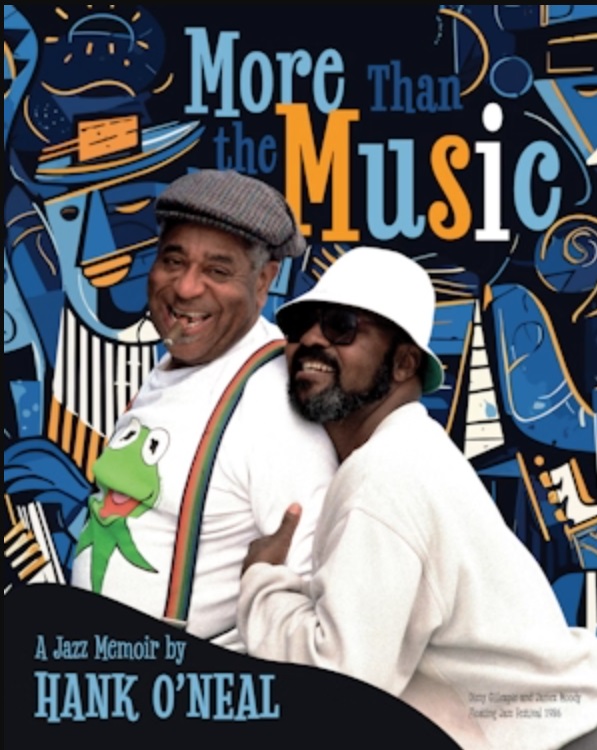
Hank O’Neal is most famous in the jazz world for founding and running the consistently superb swing-based Chiaroscuro label and for organizing the Floating Jazz Festival which took place for years on cruise ships. However, as his utterly fascinating book More Than Music shows, there was much more to him
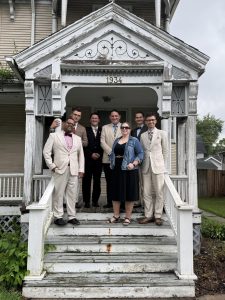
You’ll read my report of the Bix Beiderbecke Jazz Festival in next month’s issue, but something happened there last month that deserves your immediate attention If you’re a Facebook user or friend of any musicians who post there, you may already know that Bix’s boyhood home has been bought by
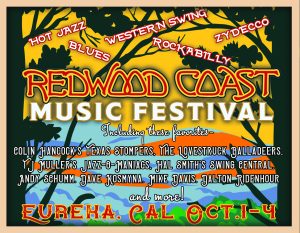
HOT JAZZ JUBILEE (Sacramento, CA) Sept. 4-7 Prepare to enjoy four days of exciting live music performance all under one roof! Tickets are now on sale for the 11th Annual Hot Jazz Jubilee. The DoubleTree by Hilton Sacramento is the home of the Jubilee, providing outstanding music venues including three large dance
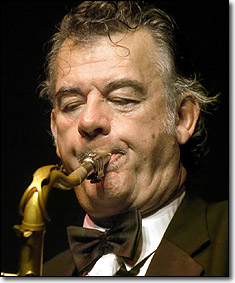
Clarinetist and saxophonist John Defferary, a fixture of the British trad jazz revival for over six decades, died on July 10; he was 85. Born March 27, 1941, Defferary cut his teeth in New Orleans-style outfits early, playing with the New Teao Brass Band and “Uncle” John Renshaw’s Band before
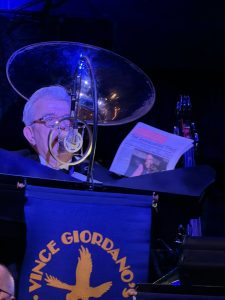
– Praise for Clorinda Nickols – To the Editor: I very much enjoyed Clorinda Nickols’ article (“A Contrast in Festivals,” TST, July 2026) in which she compared and contrasted the Bix Beiderbecke and Whitley Bay Festivals. Having never been to Whitley Bay, I had very little information on it, only
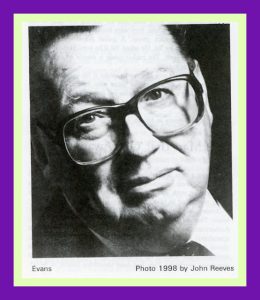
Arranger Marion Evans died July 22, he was 100 years old. He lived two full careers in music separated by decades of near-total anonymity on Wall Street, a pause so complete that reference books rarely included him despite two Grammys and 65 Gold Records. Raised in Goodwater, Alabama, he left
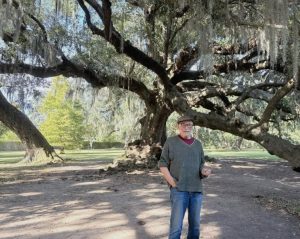
Banjoist Neil Unterseher, a mainstay of the New Orleans traditional jazz scene for over half a century, died June 20 at his home in Kiln, Mississippi; he was 86. Born February 6, 1940, in Lincoln, Nebraska, Unterseher relocated to New Orleans in the 1960s and quickly became a fixture of
Vol. 11, No. 9
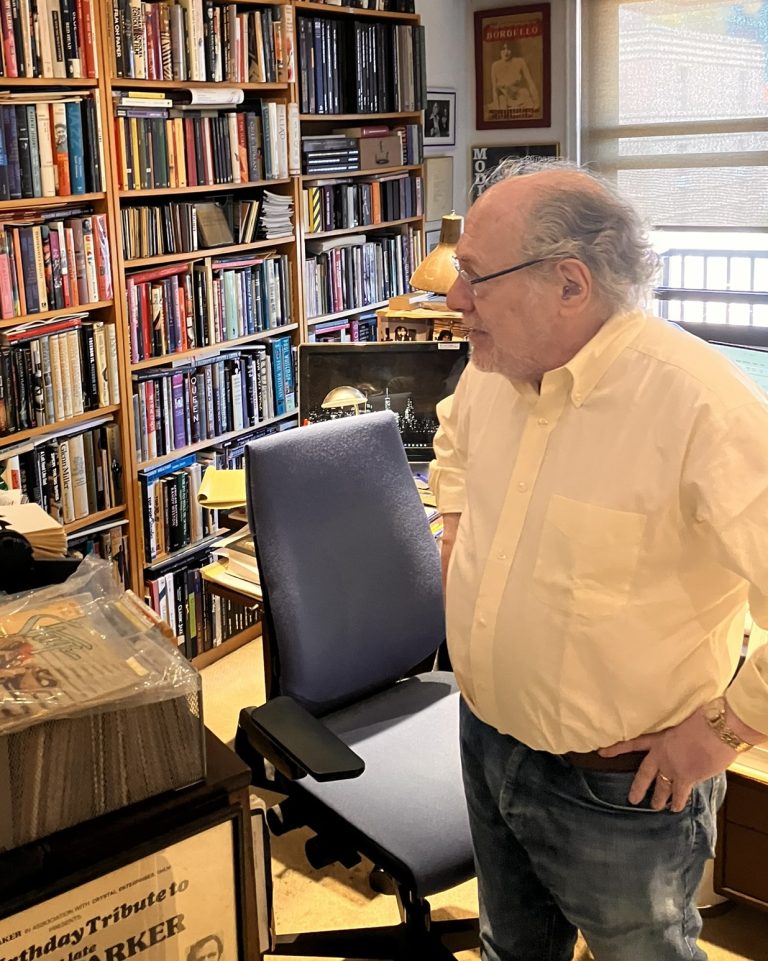
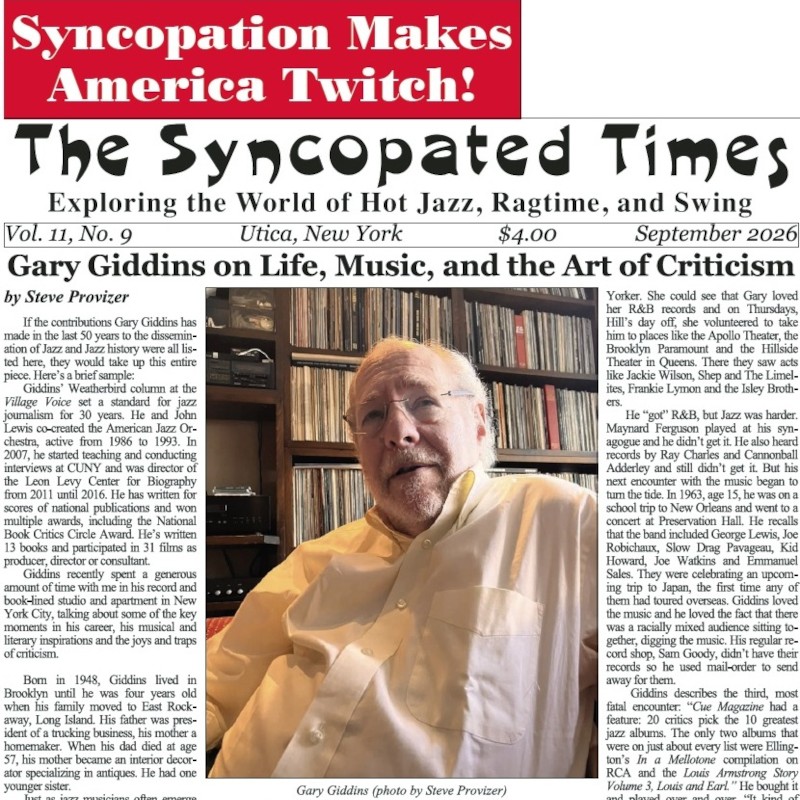
Gary Giddins on Life, Music, and the Art of Criticism, by Steve Provizer
25 Years Later, Musicians Remember the Day the Towers Fell, by Schaen Fox
AI, the End of Physical Media, and Record Collecting, by John Tefteller
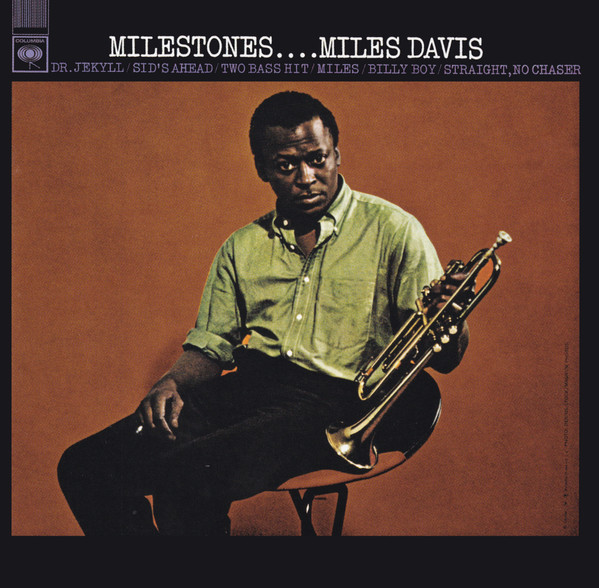
History of a Standard: Milestones (1958), by Gavin Milnthorpe
Armchair Critics, Angry Purists, and Other Garden Pests, by Michael Steinman